
Maryland Personal Injury Lawyer
An unexpected injury can affect your health, your work, your finances, and nearly every part of daily life. Lauren R. Henry helps injured people understand their options, deal with insurance companies, and pursue compensation when another person, business, or facility may be responsible.
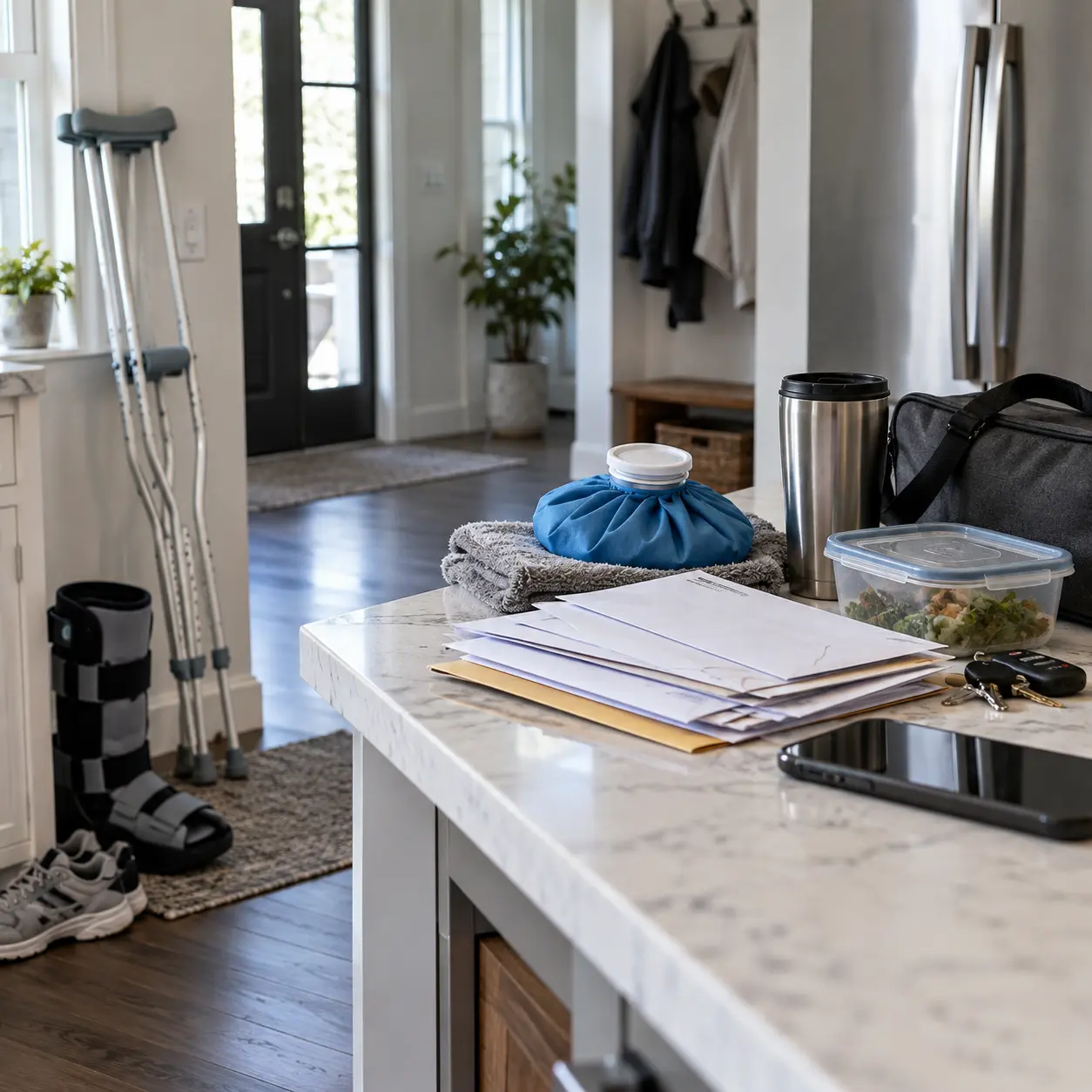
Clear Legal Guidance When an Injury Changes Your Life
After a serious accident or preventable injury, it can be difficult to know what to do first. You may be dealing with medical appointments, time away from work, unexpected expenses, pain, and calls from insurance representatives—all while trying to understand who is responsible and what comes next.
The Law Office of Lauren R. Henry helps Maryland clients navigate personal injury claims with clear guidance and focused representation. Lauren has worked in the personal injury field for more than 20 years, bringing practical knowledge of injury claims and insurance negotiations to every matter she handles.
The first step is understanding your circumstances. Lauren listens to what happened, reviews the available information, and explains the options that may be available so you can make informed decisions about your claim.
Personal Injury Cases We Handle
Personal injury claims can arise from many different circumstances. Explore the areas below to learn more about the type of claim that may apply to your situation.


Motor Vehicle Accidents
Legal help after car, truck, motorcycle, pedestrian, bicycle, hit-and-run, uninsured-motorist, and rideshare accidents.

Slip & Fall and Premises Liability
Guidance for people injured by unsafe property conditions, including dangerous floors, walkways, stairs, entrances, or other hazards.

Dog Bite Injuries
Representation for adults and children injured in dog bites or attacks, including claims involving medical treatment, scarring, and emotional trauma.

Nursing Home Abuse and Neglect
Support for families concerned that a nursing home or care facility failed to protect a loved one from abuse, neglect, or preventable harm.

Wrongful Death
Compassionate legal guidance for eligible family members after a fatal accident or another form of preventable harm.

Serious and Catastrophic Injuries
Representation for people facing severe, life-changing injuries and the long-term financial, medical, and personal consequences that may follow.

Insurance Claim Disputes
Help when an insurance company delays, denies, undervalues, or disputes an injury claim or available coverage.
Legal Help After a Motor Vehicle Accident
A motor vehicle crash can leave you facing painful injuries, medical bills, missed work, vehicle damage, and pressure from insurance companies. Even when the cause of the crash seems clear, questions about fault, coverage, evidence, and the value of the claim can quickly become complicated.
Lauren helps people injured in car, commercial truck, motorcycle, pedestrian, bicycle, hit-and-run, uninsured-motorist, and rideshare accidents. She can investigate what happened, communicate with the insurers involved, document the losses caused by the crash, and pursue an appropriate resolution.
Visit the Motor Vehicle Accidents section to find guidance for your specific type of collision.

What to Do After an Injury
The actions taken after an accident can affect both your health and the information available for a future claim. Every situation is different, but the following steps can help protect your well-being and preserve important details.
Seek appropriate medical attention. Your health comes first. Prompt evaluation can also create a medical record connecting your symptoms and treatment to the incident.
Report the incident. Depending on what occurred, notify law enforcement, the property owner, a supervisor, or the care facility. Ask how to obtain a copy of any report.
Preserve evidence. Save photographs, videos, witness information, damaged property, correspondence, medical records, receipts, and any other information connected to the incident.
Be careful when speaking with insurers. An insurance representative may ask for a recorded statement, authorization, or quick settlement. Consider getting legal guidance before making detailed statements or signing documents.
Track the effect of the injury. Keep records of missed work, out-of-pocket expenses, medical appointments, physical limitations, and ways the injury affects everyday activities.
Ask for legal guidance early. Evidence can disappear, memories can fade, and legal deadlines may apply. An early case review can help you understand what should happen next.
If you are facing an urgent medical or safety emergency, call 911 or seek immediate professional assistance.
What Can Make a Personal Injury Claim?
Many personal injury claims are based on negligence. In general, that means showing that another party had a responsibility to act with reasonable care, failed to do so, and caused an injury that resulted in measurable losses. The facts and legal requirements depend on the type of incident.
- Responsibility: The first question is who owed a duty of care and who had control over the conduct, property, vehicle, or facility involved.
- Failure to use reasonable care: Evidence must support how the responsible party acted—or failed to act—in a way that fell below the applicable standard.
- Causation: The claim must connect the responsible party’s conduct to the incident and the injuries being claimed.
- Damages: Medical records, employment information, bills, expert opinions, and other documentation may be used to show how the injury affected the client.
A claim may also involve several insurance policies, multiple responsible parties, disputed evidence, special filing requirements, or defenses raised by the opposing side.
Why Fault Requires Careful Attention in Maryland
Maryland follows the doctrine of contributory negligence. If the opposing party successfully proves that an injured person’s own failure to use reasonable care contributed to the injury, recovery may be barred. Because insurers may try to shift blame, it is important not to assume that a disputed or complicated accident means there is no claim. The specific evidence should be reviewed by an attorney.
What Compensation May Address
The purpose of a personal injury claim is to seek compensation for losses caused by the injury. The damages available depend on the facts, the evidence, the parties involved, and the law that applies.
- Medical expenses, including emergency care, appointments, diagnostic testing, treatment, medication, rehabilitation, and other necessary care
- Lost income and employment benefits when the injury prevents someone from working
- Reduced earning ability when an injury affects the person’s capacity to work in the future
- Future treatment, assistance, equipment, or care needs associated with a serious injury
- Physical pain, emotional effects, loss of enjoyment, and changes to everyday life
- Property damage and related expenses when applicable
- Funeral expenses and other legally recognized losses in an eligible wrongful-death or survival claim
No attorney can guarantee a particular result. A careful evaluation considers both the full effect of the injury and the evidence available to support each claimed loss.
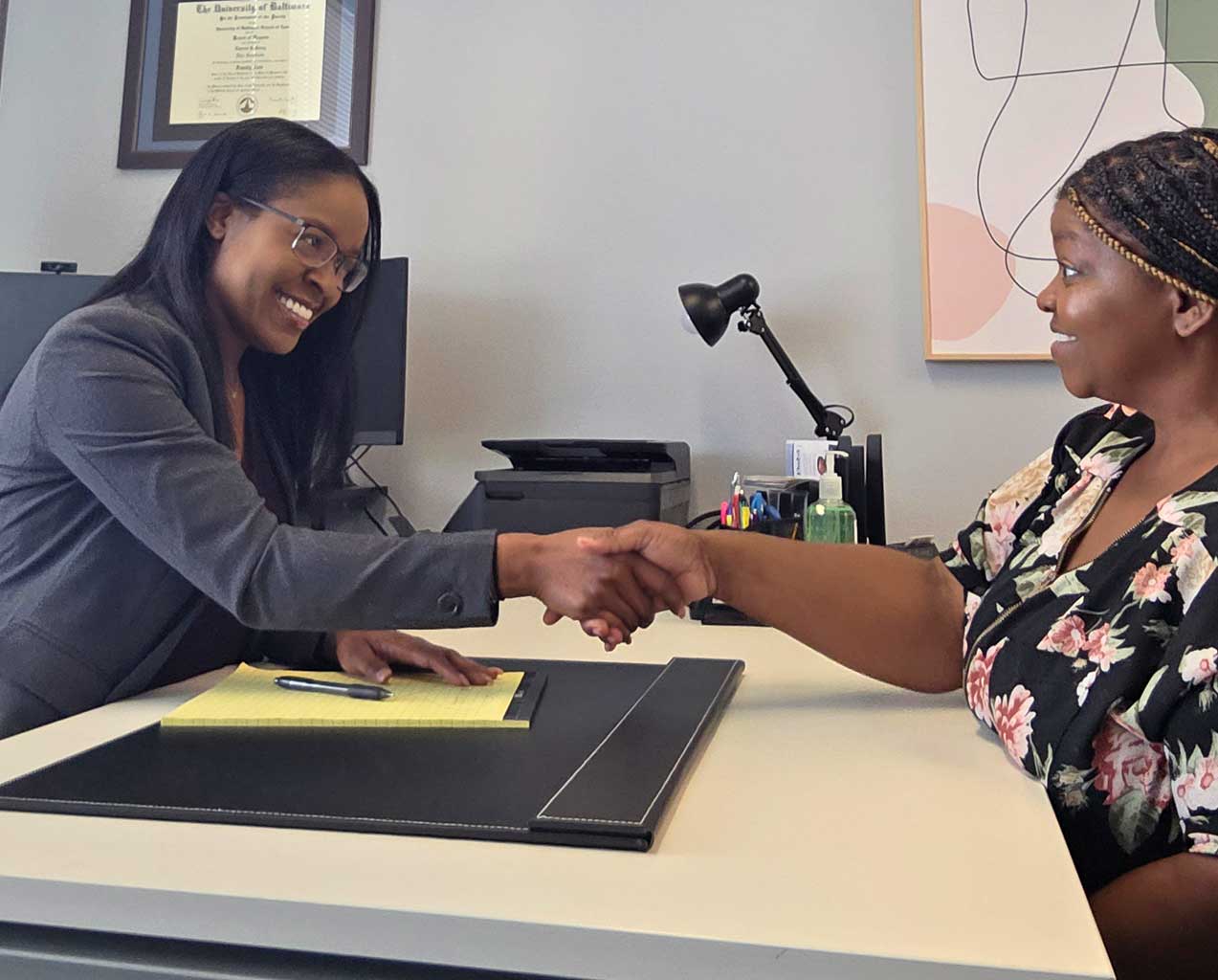
How Lauren Helps
Focused Legal Support From the Beginning
A personal injury claim involves more than submitting paperwork to an insurance company. It requires understanding what happened, preserving evidence, documenting the injury, evaluating coverage, responding to defenses, and preparing the matter for a fair resolution.
- Case Evaluation and Strategy
Lauren reviews the circumstances, identifies the questions that may affect the claim, and explains the available path forward in straightforward terms. - Evidence and Documentation
She works to gather relevant reports, photographs, medical information, witness accounts, insurance records, and other evidence needed to understand responsibility and damages. - Insurance Communication and Negotiation
Lauren communicates with insurance representatives, responds to efforts to minimize the claim, and presents the evidence supporting the client’s losses. - Preparation for Litigation
When a fair resolution cannot be reached through negotiation, the claim may need to proceed into litigation. Preparing the case carefully from the beginning helps preserve that option.
Throughout the process, the goal is to reduce the legal burden on the client so they can focus on treatment, recovery, and moving forward.
What to Expect in a Personal Injury Case
The timing and exact steps vary from one case to another. Lauren explains important developments and helps the client evaluate decisions as the matter progresses.
The process begins with a conversation about what happened, the injuries involved, and the information currently available.
The firm gathers records and evidence, identifies the parties and insurers involved, and evaluates potential responsibility and defenses.
The client continues receiving appropriate care while the medical course, expenses, lost income, and effect of the injuries are documented.
Once the claim can be evaluated appropriately, the supporting evidence is presented and negotiations may take place with the responsible parties or insurers.
Some claims resolve through negotiation. When an appropriate agreement cannot be reached, filing a lawsuit and continuing through litigation may be necessary.
Frequently Asked Questions
How do I know whether I may have a personal injury claim?
A potential claim generally requires evidence that another party’s conduct caused an injury and resulting losses. The type of incident, available evidence, insurance coverage, deadlines, and possible defenses all matter. A case review is the best way to assess the specific circumstances.
What should I bring to a free case review?
Bring or send any information you already have, such as photographs, incident or police reports, medical records, insurance correspondence, witness information, and documents showing missed work or expenses. Do not delay contacting the firm simply because you do not have every record yet.
Should I speak with the insurance company?
You may need to report an incident or cooperate with your own insurer, but detailed statements, broad medical authorizations, and settlement documents can affect a claim. Consider speaking with an attorney before providing a recorded statement, signing a release, or accepting an offer.
What if the insurance company says I was partly responsible?
Do not assume that an insurer’s position is the final answer. Maryland’s contributory-negligence rule can make allegations of shared fault especially important, but responsibility depends on the evidence and the law that applies. An attorney can review the circumstances and any defenses being raised.
How long do I have to file a personal injury lawsuit in Maryland?
Maryland generally requires a civil action to be filed within three years from the date the claim accrues. Different deadlines, notice requirements, and exceptions may apply depending on the parties and circumstances. Because missing a deadline can prevent a claim, it is safer to obtain advice well before the general period expires.
How much does it cost to hire the firm for a personal injury case?
The firm offers a free case review and handles personal injury matters on a contingency basis. There is no fee unless we win. Lauren will explain the written fee agreement and answer questions about fees and case-related costs before representation begins.
Plan for What Comes Next
Experienced Guidance. Personal Attention. A Clear Path Forward.
With more than 20 years in the personal injury field, Lauren provides knowledgeable, personal guidance through every stage of the legal process. Each case is carefully evaluated based on its unique facts, evidence, injuries, insurance coverage, and potential challenges.
Lauren takes the time to explain your options, answer your questions, handle communications with insurance companies, and prepare your case for negotiation or litigation when necessary.