
Truck Accident Representation Across Maryland
Maryland Truck Accident Lawyer
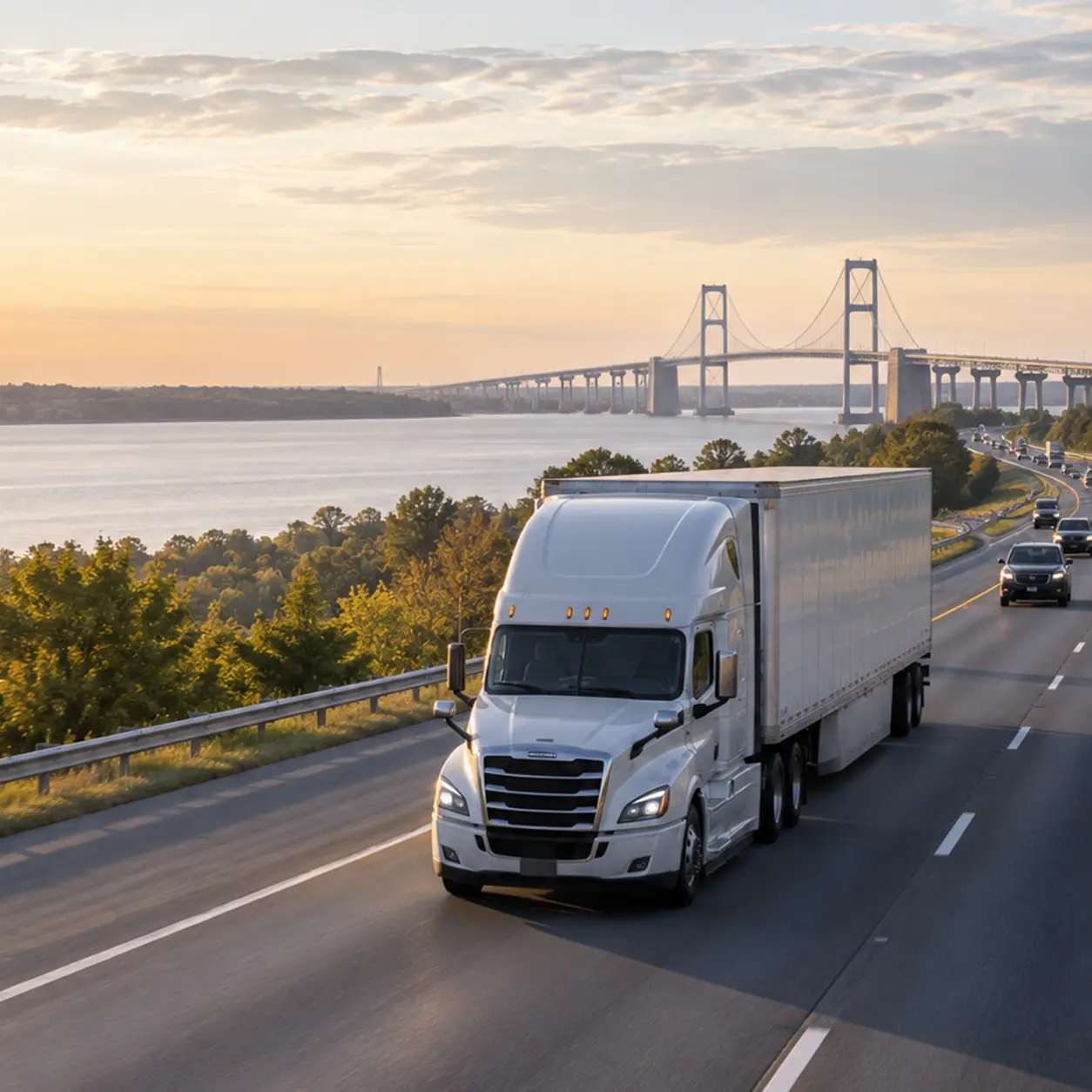
A Truck Crash Can Involve More Than One Driver—and More Than One Company
Types of Truck Accident Cases
Rear-End Truck Collisions
A fully loaded commercial truck needs more time and distance to slow down. A rear-end crash may involve driver inattention, unsafe following distance, excessive speed, fatigue, poor route planning, or brake problems.Jackknife and Rollover Crashes
A trailer can swing across lanes or a truck can overturn when speed, steering, braking, road conditions, cargo movement, or vehicle stability is not properly managed. These crashes may affect several vehicles at once.Blind-Spot and Unsafe Lane-Change Crashes
Large commercial vehicles have substantial areas around the cab and trailer that may be difficult for a driver to see. A carrier and driver still must operate the truck safely, check surrounding traffic, signal, and change lanes with appropriate care.Wide-Turn and Intersection Crashes
Tractor-trailers often need additional space to turn. A driver who turns from the wrong position, fails to watch adjacent lanes, or misjudges nearby traffic can trap or strike another vehicle, cyclist, or pedestrian.Fatigued or Distracted Driving
Long shifts, demanding delivery schedules, mobile devices, dispatch communications, and other distractions can affect safe driving. Federal hours-of-service rules may be relevant in some commercial trucking cases, but their application depends on the driver, vehicle, trip, and applicable exceptions.Overloaded or Improperly Secured Cargo
Unbalanced, shifting, overweight, or unsecured cargo can make a truck harder to control and may cause a rollover, lost-load event, or braking problem. Responsibility may extend beyond the driver when another company loaded or secured the cargo.Brake, Tire, or Maintenance Failures
Motor carriers are expected to inspect, repair, and maintain commercial vehicles. Maintenance histories, inspection reports, repair invoices, and post-crash examinations can help determine whether a preventable mechanical condition contributed to the collision.Multi-Vehicle and Highway Crashes
Truck collisions on interstates and high-speed roads can produce a chain of impacts. Reconstructing the sequence may require witness accounts, video, physical evidence, vehicle data, and careful analysis of every driver’s actions.If your accident does not fit one of these descriptions, you may still have a claim. A case review can help identify the legal and insurance issues involved.
Need Help With a Legal Matter?
You do not have to figure out your next steps alone. Tell Lauren about your situation and learn how the firm may be able to help.
What to Do After a Commercial Truck Crash
Call 911 and move to a safe location
Request medical help and law enforcement. If your vehicle can be moved and it is safe to do so, get out of active traffic. Follow the instructions of emergency personnel.
Get medical attention and follow the treatment plan
Some injuries are not immediately obvious. Tell medical providers what you are experiencing, attend recommended follow-up appointments, and keep copies of discharge instructions and bills.
Document the truck and the scene
If you can do so safely, photograph the vehicles, roadway, debris, skid marks, traffic controls, weather, visible injuries, and damage. Capture the truck’s license plate, company name, USDOT number, trailer number, and any identifying markings.
Identify witnesses and report information
Ask witnesses for names and contact details. Record the responding agency, officer’s name, report or incident number, truck driver information, carrier information, and available insurance details.
Preserve your records and be careful with insurance requests
Save photographs, videos, messages, medical documents, receipts, wage information, and notes about symptoms. Promptly report the crash as required by your policy, but consider getting legal advice before giving a recorded statement, signing a release, or accepting a final settlement.
Speak with a truck accident lawyer promptly
Early legal review can help identify responsible parties, send preservation notices, locate time-sensitive evidence, and manage communications with commercial insurers.
If you are facing an urgent medical or safety emergency, call 911 or seek immediate professional assistance.
Liability Beyond the Driver
Who May Be Responsible for a Maryland Truck Accident?
Responsibility in a commercial truck case depends on the facts, the relationships among the companies involved, and the law that applies to the trip. A company’s contract language or use of an “independent contractor” label does not, by itself, answer every liability question. The investigation may need to consider several parties.
- The truck driver — for conduct such as speeding, distraction, fatigue, impairment, unsafe lane changes, following too closely, or failing to inspect the vehicle.
- The motor carrier or trucking company — for its own hiring, training, supervision, dispatch, safety, inspection, or maintenance decisions, and for responsibility that may arise from the driver’s work.
- The truck or trailer owner — when ownership, leasing, maintenance responsibilities, or equipment condition contributed to the crash.
- A cargo loader, shipper, or other cargo-related company — when loading, securement, weight, balance, or cargo instructions played a role.
- A maintenance or repair provider — when negligent inspection, repair, parts installation, or servicing contributed to a mechanical failure.
- A vehicle or parts manufacturer — when a defective component or vehicle system may have caused or worsened the collision.
- Other drivers or entities — when another motorist, road contractor, or government body contributed to the event. Claims involving public entities may have special notice rules and require immediate review.
The goal is not to name every possible party. It is to identify the people and businesses supported by the evidence and pursue the claim through the appropriate insurance coverage and legal theories.
Preserving the Commercial Record
Evidence in a Truck Accident Investigation
Commercial carriers often create records as part of everyday operations. Those records can help show how the truck was being used, whether safety requirements were followed, and what happened before and during the collision. The available evidence varies from case to case and should be requested through the proper legal process.
- Crash-scene evidence — police reports, photographs, measurements, debris, vehicle damage, skid or tire marks, road conditions, and traffic-control information.
- Independent video and witness accounts — dashcam footage, business or residential surveillance video, highway cameras where available, 911 information, and statements from people who saw the crash.
- Electronic truck and trip data — electronic logging-device records, engine-control or event data, GPS and telematics information, speed or braking data, and dispatch records when available.
- Driver records — qualification files, licensing, training, prior safety history where discoverable and relevant, hours-of-service information, and communications concerning the trip.
- Vehicle records — inspection reports, maintenance schedules, repair orders, tire and brake records, pre-trip information, and post-crash examination findings.
- Carrier and operational records — safety policies, hiring and supervision materials, route and delivery schedules, bills of lading, ownership and lease documents, and applicable insurance information.
- Cargo evidence — weight tickets, loading instructions, securement records, shipping documents, photographs, and information identifying who loaded or controlled the cargo.
- Injury and loss documentation — medical records, bills, treatment recommendations, photographs, symptom notes, wage records, employment information, receipts, and evidence of the collision’s effect on daily life.
Because some electronic and business records may not remain available indefinitely, early preservation can be an important part of the investigation.
Documenting the Full Impact
Truck Insurance Claims and Recoverable Losses
A trucking company or commercial insurer may begin investigating immediately after a crash. Its representatives may gather statements, inspect vehicles, review company records, and evaluate ways to limit the claim. An injured person deserves an equally careful investigation focused on the complete effect of the collision.
Truck cases may involve a commercial auto policy, an employer or carrier policy, excess or umbrella coverage, coverage connected to the trailer or cargo, and the injured person’s own applicable insurance. Identifying the correct parties and policies is a fact-specific part of the case.
Depending on the evidence and Maryland law, a personal injury claim may seek compensation for losses such as:
- Emergency care, hospitalization, surgery, physician visits, medication, therapy, and other reasonable medical expenses
- Future medical treatment, rehabilitation, assistive equipment, or long-term care supported by the evidence
- Lost wages and other income missed during recovery
- Reduced ability to work or earn income in the future
- Physical pain, emotional suffering, inconvenience, and loss of enjoyment of life
- Vehicle damage and other collision-related property loss
- Reasonable out-of-pocket expenses connected to the injury and recovery
- Wrongful-death and estate-related losses when a truck crash causes a fatality, subject to the people, damages, and procedures Maryland law permits
No lawyer can determine the value of a claim from the type of collision alone. The amount depends on liability, available insurance, the nature and duration of the injuries, treatment, income loss, long-term effects, and the quality of the supporting evidence.
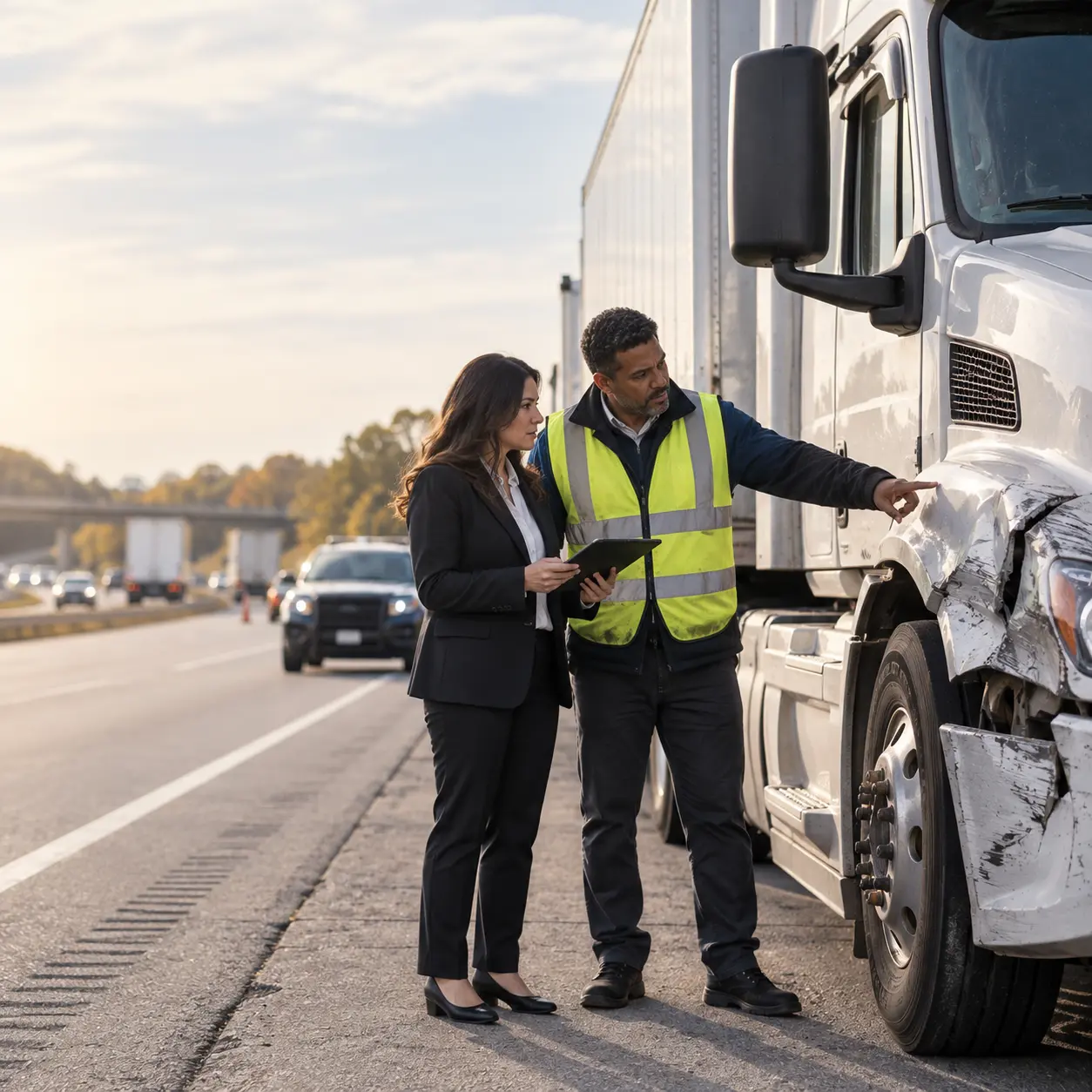
Claim Process
How a Maryland Truck Accident Claim Moves Forward
Lauren listens to what happened, reviews the available information, discusses immediate concerns, and determines whether the firm can assist.
The firm works to secure crash information, identify the truck and carrier, locate available witnesses or video, and send appropriate requests to preserve relevant evidence.
Contracts, ownership records, carrier information, trip documents, and insurance materials may be reviewed to determine who should be included in the claim.
Medical treatment, symptoms, work limitations, expenses, and long-term effects are organized so the claim reflects the full impact of the injuries.
Once the necessary evidence is developed, the claim may be presented to the appropriate insurers. Lauren evaluates responses, explains options, and negotiates for a fair resolution.
If the responsible parties or insurers will not offer a fair outcome, Lauren can discuss filing a lawsuit and pursuing the case through discovery, motions, mediation, trial preparation, and trial when appropriate.
Frequently Asked Questions About Maryland Truck Accident Claims
Do I need a lawyer after a truck accident?
What makes a truck accident claim different from a car accident claim?
Who can be liable for a commercial truck crash?
Should I speak with the trucking company’s insurer?
What if the insurer says I was partly at fault?
How long do I have to file a truck accident claim in Maryland?
How much is a truck accident case worth?
How much does it cost to speak with Lauren?
How Lauren Helps
Focused Legal Support After a Maryland Car Accident
A car accident claim requires attention to the crash evidence, medical documentation, insurance policies, lost income, and defenses raised by the opposing side. Lauren helps clients organize those moving parts and understand the decisions that arise throughout the case.
With more than 20 years working in the personal injury field, Lauren brings practical experience with injury claims and insurance negotiations. She provides direct guidance, explains the process in understandable terms, and prepares each matter according to its own facts and challenges.