
Help When the Other Driver Leaves or Has No Coverage
Maryland Hit-and-Run & Uninsured Motorist Claims Lawyer
A driver’s decision to leave the scene—or drive without adequate insurance—does not automatically leave you without options. Lauren R. Henry helps injured people preserve evidence, investigate available coverage, and pursue compensation after Maryland hit-and-run and uninsured motorist accidents.
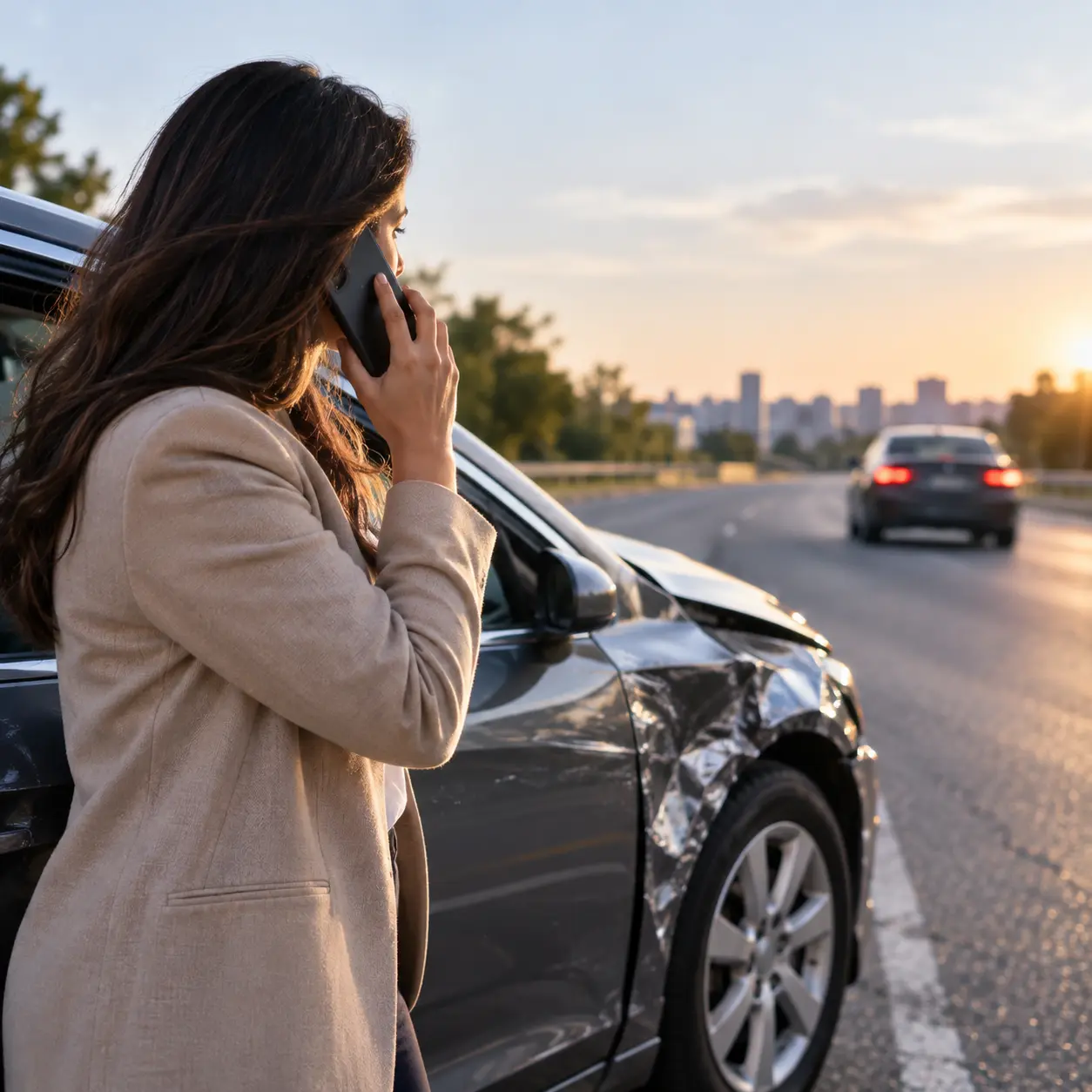
A Hit-and-Run Accident Can Still Lead to a Claim
A hit-and-run collision creates two immediate problems. The injured person must deal with the physical and financial consequences of the crash while trying to determine who caused it and which insurance coverage may apply.
Sometimes police, witnesses, surveillance footage, vehicle debris, or license-plate information help identify the driver. In other cases, the driver and vehicle remain unknown. The claim may then depend on uninsured motorist coverage available through your own policy, a household policy, the policy covering the vehicle you occupied, or another legally applicable source.
Maryland also treats certain identified drivers as uninsured when they have no valid liability insurance or when their insurer denies coverage. If the available liability insurance is insufficient, underinsured motorist coverage may become relevant.
These claims require more than notifying an insurance company. They require proof that another driver caused the collision, evidence of the resulting injuries and losses, and careful compliance with policy and legal requirements.
Lauren helps clients understand those requirements, preserve time-sensitive evidence, and pursue the sources of recovery supported by the facts.
Situations That May Lead to an Uninsured Motorist Claim
An uninsured motorist claim is not limited to accidents involving a driver who admits to having no insurance. Maryland law and individual policy language may recognize several different situations.
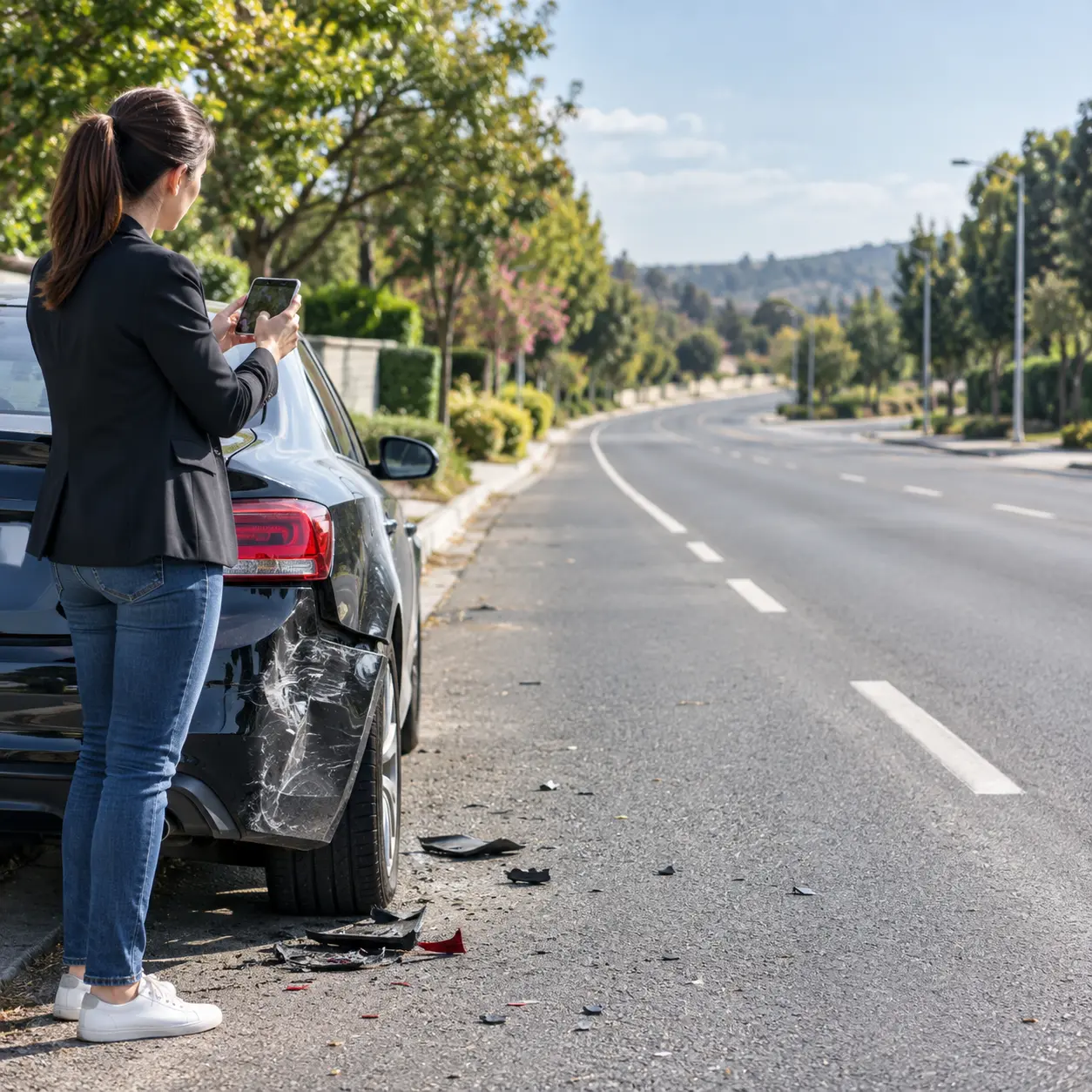
A Driver Leaves After Striking Your Vehicle
A driver may cause a rear-end, intersection, lane-change, parking-lot, or highway collision and leave before exchanging information. The investigation may focus on identifying the vehicle while preserving the injured person’s ability to pursue applicable uninsured motorist coverage.
An Unknown Vehicle Forces You to Crash
A driver may cause an accident without making physical contact—for example, by forcing another vehicle off the road or into a different car. These claims can be heavily disputed because the insurer may question whether the unknown vehicle existed or caused the crash. Witnesses, dashcam footage, surveillance video, physical evidence, and prompt reporting may be especially important.
A Pedestrian, Cyclist, or Motorcyclist Is Struck
People walking, cycling, or riding motorcycles can be seriously injured when a driver leaves the scene. Available recovery may depend on identifying the vehicle, determining whether an automobile policy covers the injured person, and evaluating other Maryland remedies.
The Driver Is Identified but Has No Insurance
Police may locate the driver only to discover that the vehicle was uninsured, the policy had lapsed, or the driver had no applicable coverage. The claim may then proceed through an uninsured motorist policy or another available source.
The Other Driver’s Insurer Denies Coverage
An insurer may deny coverage because of an excluded driver, an unlisted vehicle, unauthorized use, a policy cancellation, a lapse, or another alleged policy violation. A denial does not necessarily end the injured person’s claim, but the denial and the relevant policies must be examined carefully.
The At-Fault Driver Cannot Be Located
The vehicle and driver may be identified, but attempts to locate the responsible person may fail. Depending on the facts, coverage and other statutory remedies may still require investigation.
The Driver Has Too Little Insurance
An at-fault driver may have liability insurance but not enough to cover the injuries and losses. Standard underinsured motorist coverage or enhanced underinsured motorist coverage may apply differently, depending on the policy selected and the available liability limits.
Several Vehicles or Policies May Be Involved
A hit-and-run driver may cause a chain-reaction collision involving multiple vehicles. Determining fault and coverage may require reviewing every impact, driver, policy, and potential source of insurance.
If your accident does not fit one of these descriptions, you may still have a claim. A case review can help identify the legal and insurance issues involved.
Need Help With a Legal Matter?
What to Do After a Hit-and-Run Collision
The moments after a driver leaves the scene can be frightening and confusing. Your safety comes first. Do not chase the fleeing vehicle or take another action that puts you or anyone else in danger.
When possible, these six steps can help protect your health and preserve valuable information.
Call 911 and report that the driver left the scene
Request medical assistance and law enforcement. Tell the dispatcher that the other vehicle left and share its direction of travel, description, license-plate information, and any immediate safety concerns.
If you are facing an urgent medical or safety emergency, call 911 or seek immediate professional assistance.
Finding the Right Path to Recovery
Who May Be Responsible and Which Coverage May Apply?
A hit-and-run or uninsured motorist case may involve more than one potential source of recovery. The correct path depends on who was injured, which vehicle was involved, where the injured person lived, which policies were active, and how the collision occurred.
The Hit-and-Run or Uninsured Driver
An identified driver may remain legally responsible even without insurance. Whether a direct claim is practical depends on the driver’s identity, location, financial circumstances, and other case-specific factors.
The Owner of the At-Fault Vehicle
The driver and vehicle owner may be different people. Ownership, permission, household relationships, employment, and the circumstances of the vehicle’s use may affect responsibility and coverage.
Your Own Automobile Policy
Maryland automobile policies contain uninsured motorist protection, subject to policy limits, definitions, exclusions, and conditions. The insurer may still dispute fault, coverage, injuries, or damages even though the claim is made under your own policy.
A Resident Household Member’s Policy
Coverage may sometimes depend on whether the injured person qualifies as an insured under a policy issued to a spouse, parent, or another household member. Residency and family relationships can become important and should not be assumed.
The Policy Covering the Vehicle You Occupied
A passenger or permissive occupant may have rights under the policy covering the vehicle involved in the crash. The policy, vehicle use, and relationship among the people involved must be reviewed.
An Employer, Commercial, or Rideshare Policy
If the injured person or at-fault driver was working, making a delivery, transporting passengers, or using a company vehicle, commercial or rideshare coverage may be relevant.
Maryland’s Uninsured Division
When no applicable uninsured motorist policy provides coverage, some qualified people may be able to pursue a claim through the Uninsured Division of the Maryland Automobile Insurance Fund. Eligibility is limited, and special notice and procedural requirements can apply.
An insurance card alone rarely answers every coverage question. Lauren reviews the policies, people, vehicles, and relationships involved to identify the claim options supported by the facts.
Identifying the Driver and Proving the Crash
Evidence in a Hit-and-Run or Uninsured Motorist Claim
When the other driver leaves, evidence can disappear quickly. Video may be overwritten, witnesses may become difficult to locate, vehicle damage may be repaired, and memories may fade.
A prompt investigation may look for evidence that identifies the vehicle, confirms that another driver caused the collision, and documents the resulting injuries and losses.
- Your description of the vehicle and driver — Color, make, model, license-plate characters, visible damage, decals, company markings, occupants, and direction of travel.
- Police and emergency records — Crash reports, incident numbers, dispatch recordings, 911 calls, body-camera footage where obtainable, and information gathered during the investigation.
- Witness accounts — Statements from passengers, other drivers, pedestrians, residents, employees, first responders, or anyone who saw the vehicle before, during, or after the crash.
- Dashcam and vehicle-camera footage — Recordings from your vehicle, nearby vehicles, commercial trucks, buses, rideshare vehicles, or other road users.
- Business and residential surveillance — Video from stores, gas stations, parking facilities, homes, apartment buildings, traffic systems, and doorbell cameras.
- Physical vehicle evidence — Paint transfer, broken lights, vehicle fragments, damage patterns, tire marks, debris, and the location and direction of impacts.
- Electronic and location information — Phone records, GPS information, navigation data, toll records, or vehicle information obtained through the proper legal process when a potential driver has been identified.
- Insurance and vehicle records — Policy documents, cancellation or denial letters, registration records, vehicle ownership, driver exclusions, and communications with insurers.
- Medical and financial evidence — Medical records, bills, wage information, photographs, treatment recommendations, receipts, and documentation of how the injuries affected daily life.
Even if the driver is never identified, this evidence may help establish that an unknown vehicle caused the crash and that the uninsured motorist claim is legitimate.
A Claim Through Your Policy Is Still a Legal Claim
How Uninsured Motorist Coverage May Help
Maryland automobile insurance policies include protection for bodily injury and property damage caused by uninsured motorists, subject to the policy’s limits and conditions. An uninsured motorist may include a driver with no insurance, an unidentified hit-and-run driver, or a driver whose insurer denies applicable coverage.
Although the claim may be made through your own insurance company, the insurer does not automatically accept every part of it. It may investigate:
- Whether another driver caused the accident
- Whether an unknown vehicle was actually involved
- Whether the injured person qualifies as an insured
- Whether the correct policy was notified
- Whether policy requirements were satisfied
- Whether an exclusion applies
- Whether the injuries were caused by the collision
- Whether the medical treatment and claimed losses are reasonable
- Whether another policy must respond first
- Whether the claim falls within the available coverage limits
Uninsured and Underinsured Coverage Are Related but Different
Uninsured motorist coverage generally addresses situations in which the responsible driver has no applicable insurance or cannot be identified.
Underinsured motorist coverage may become relevant when the responsible driver has insurance, but the available liability coverage is insufficient. Standard underinsured and enhanced underinsured motorist coverage can calculate available benefits differently, so the policy selection and limits must be reviewed.
What Compensation May Cover
Depending on the evidence, applicable policies, and Maryland law, a claim may seek compensation for losses such as:
- Emergency transportation and hospital care
- Surgery, physician visits, medication, and therapy
- Future medical treatment and rehabilitation
- Lost wages and missed employment benefits
- Reduced future earning ability
- Physical pain and emotional suffering
- Inconvenience and loss of enjoyment of life
- Scarring, disability, and long-term limitations
- Vehicle damage and loss of use
- Reasonable collision-related expenses
- Wrongful-death and estate-related losses when the crash is fatal
The existence of uninsured motorist coverage does not guarantee payment. The claim must still establish fault, coverage, injury, and damages.
A Clear Path Through a Complicated Claim
How a Maryland Hit-and-Run or Uninsured Motorist Claim Moves Forward
Lauren listens to what happened, reviews the available police, medical, vehicle, and insurance information, and discusses immediate evidence or reporting concerns.
Available video, witness information, vehicle damage, debris, photographs, recordings, and police materials are identified and preserved. When possible, the investigation follows information that may lead to the driver or vehicle.
Lauren reviews the injured person’s policy, the vehicle’s policy, possible household policies, employer or commercial coverage, and other sources supported by the circumstances.
The claim must show that another driver caused the collision and that the injured person qualifies for benefits under the relevant policy or remedy. Reporting, notice, authorization, and cooperation issues are addressed carefully.
Medical treatment, symptoms, income loss, expenses, property damage, daily limitations, and future needs are organized so the claim reflects the full effect of the collision.
Lauren presents the supported claim, evaluates the insurer’s response, explains settlement options, and can discuss filing suit when coverage, fault, or fair compensation remains disputed.
Maryland Hit-and-Run and Uninsured Motorist FAQs
Can I recover compensation if the hit-and-run driver is never found?
What counts as an uninsured driver in Maryland?
What is the difference between uninsured and underinsured motorist coverage?
How long do I have to bring a claim?
Why would my own insurance company dispute the claim?
What if the unknown vehicle never touched my car?
A driver can cause a collision without physical contact by forcing another vehicle off the road or into another object. These claims may be possible, but insurers often challenge whether the unknown vehicle existed and caused the crash.
Prompt police reporting, witness accounts, dashcam footage, surveillance video, physical evidence, and a consistent description of the event can be especially important.
What if I do not own a vehicle or have automobile insurance?
What if the insurer says I was partly responsible?
How much does it cost to speak with Lauren?
How Lauren Helps
Focused Legal Support After a Maryland Car Accident
A car accident claim requires attention to the crash evidence, medical documentation, insurance policies, lost income, and defenses raised by the opposing side. Lauren helps clients organize those moving parts and understand the decisions that arise throughout the case.
With more than 20 years working in the personal injury field, Lauren brings practical experience with injury claims and insurance negotiations. She provides direct guidance, explains the process in understandable terms, and prepares each matter according to its own facts and challenges.