
Maryland Motor Vehicle Accident Lawyer
A serious crash can leave you dealing with injuries, medical care, missed work, vehicle damage, and competing insurance claims. Lauren R. Henry helps injured people understand what comes next, protect their interests, and pursue compensation from the responsible parties and available insurance coverage.
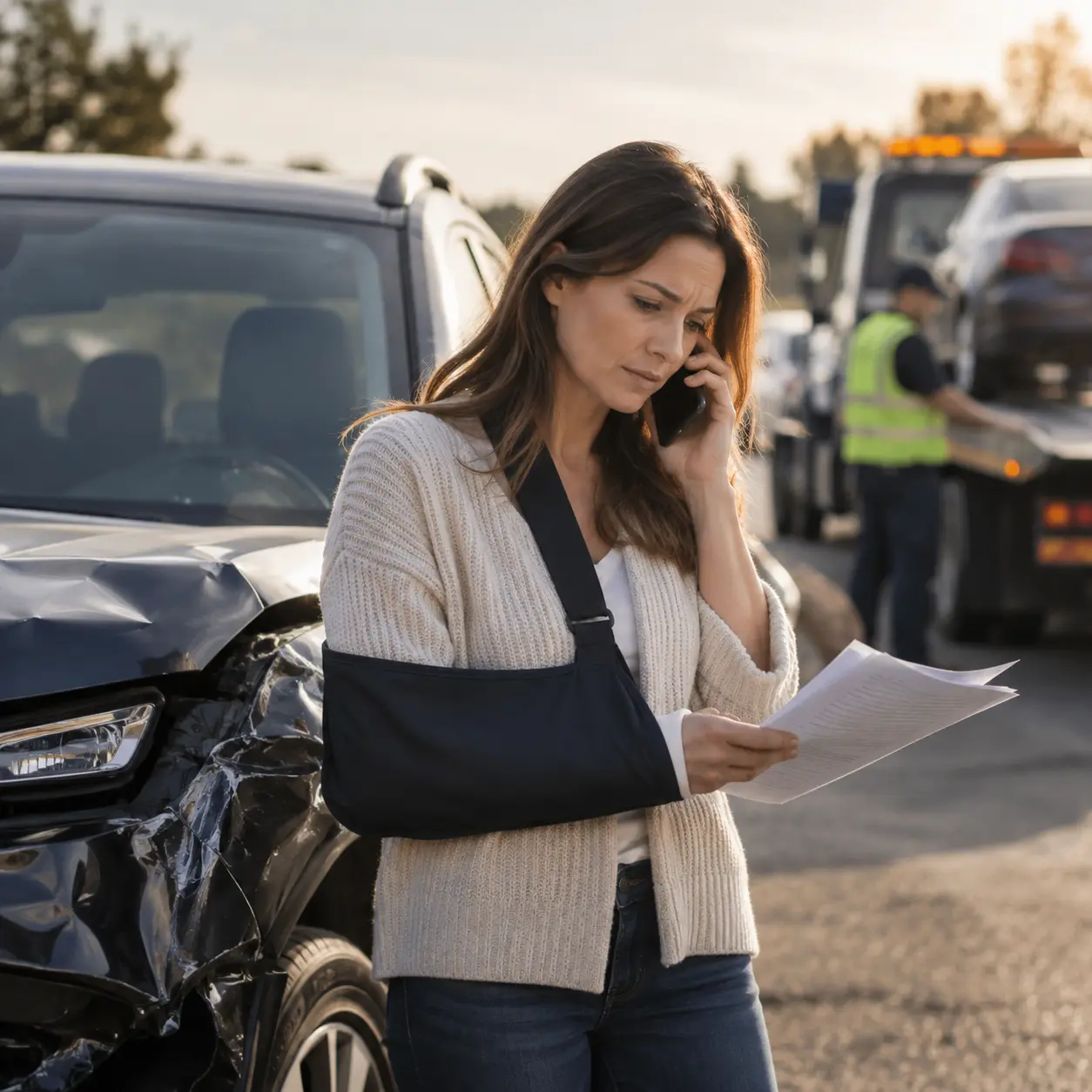
When a Crash Creates More Than Vehicle Damage
The effects of a motor vehicle accident often continue long after the roadway is cleared. Pain may develop or worsen, medical appointments can interrupt work, transportation becomes difficult, and insurance representatives may begin asking questions before you understand the full extent of the loss.
A motor vehicle injury claim may involve several drivers, vehicle owners, employers, commercial carriers, rideshare companies, or insurance policies. The evidence available at the scene—and the way the claim is handled afterward—can affect how responsibility, coverage, and damages are evaluated.
The Law Office of Lauren R. Henry represents people injured in a range of Maryland traffic collisions. Explore the accident types below to find the information that most closely matches your situation, or contact the firm if you are unsure where your claim fits.
Find Guidance for Your Type of Accident
Different types of crashes can involve different evidence, responsible parties, insurance policies, and injuries. Select the service that best describes what happened.
Car Accidents
Guidance after rear-end crashes, intersection collisions, sideswipes, head-on accidents, multi-vehicle crashes, and other collisions involving passenger vehicles.
Truck Accidents
Representation after collisions involving commercial trucks, carriers, employers, cargo operations, and other parties that may share responsibility.
Motorcycle Accidents
Legal help for injured motorcyclists facing serious injuries, disputed visibility or fault, and insurance challenges after a crash.
Pedestrian and Bicycle Accidents
Support for pedestrians and bicyclists injured by drivers, including claims involving crosswalks, intersections, turning vehicles, and hit-and-run incidents.
Hit-and-Run and Uninsured Motorist Claims
Help identifying possible sources of coverage when the responsible driver leaves the scene, cannot be identified, has no insurance, or lacks enough coverage.
Rideshare Accidents
Guidance for passengers, drivers, pedestrians, bicyclists, and occupants of other vehicles injured in crashes involving Uber, Lyft, or another rideshare service.
What to Do After a Motor Vehicle Accident
Safety and medical needs come first. When you are able, these steps can help protect your well-being and preserve information that may become important to an insurance claim or legal case.
Call 911 when someone is injured or the scene presents a safety risk. Follow emergency instructions and request medical assistance when needed.
Move out of active traffic if the vehicles can be moved and it is safe to do so. Do not put yourself or anyone else at greater risk.
Exchange information. Record the drivers’ names, contact information, insurance details, license plates, and vehicle descriptions.
Document the scene. Photograph or record vehicle positions, damage, road conditions, traffic controls, debris, visible injuries, and the surrounding area when it is safe.
Identify witnesses. Ask for the names and contact information of people who saw the collision or its immediate aftermath.
Seek appropriate medical evaluation. Some symptoms are not immediately obvious, and a medical professional should evaluate new or worsening concerns.
Notify your insurer promptly and keep records. Save the crash number or report, medical documents, repair information, receipts, correspondence, and notes from insurance calls.
Get legal guidance before making important claim decisions. Consider speaking with an attorney before giving a detailed recorded statement, signing a broad authorization or release, or accepting a settlement.
Understanding Fault and Insurance Coverage
Determining how a motor vehicle claim should be handled requires more than identifying the vehicles involved. The investigation must consider how the collision occurred, who may be legally responsible, which policies apply, and what evidence supports the injuries and losses.
Who Caused the Crash?
Police information, photographs, witness accounts, vehicle damage, roadway evidence, electronic records, and applicable traffic rules may all contribute to the liability analysis. An insurer’s early decision about fault is not necessarily the final legal determination.
Could More Than One Party Be Responsible?
Depending on the accident, a claim may involve a negligent driver, the vehicle owner, an employer, a commercial motor carrier, a rideshare company, a maintenance provider, or another party whose conduct contributed to the collision. The responsible parties vary with the facts.
Which Insurance Policies May Apply?
Potential coverage may include the responsible party’s liability insurance, coverage under the injured person’s own policy, Personal Injury Protection, uninsured or underinsured motorist protection, or commercial and rideshare policies. Coverage depends on the policy language, elections or waivers, the people and vehicles involved, and how the crash occurred.
Maryland auto insurers must offer Personal Injury Protection coverage, although coverage may be limited or waived in permitted circumstances. When available, PIP may reimburse covered medical expenses and lost wages up to the applicable limit without requiring a fault determination.
Maryland automobile policies also include uninsured and underinsured motorist protection. Uninsured-motorist coverage may become relevant when the responsible driver has no insurance, available coverage is denied, or the driver and vehicle cannot be identified after a hit-and-run. Policy notice and reporting requirements can be important.
Why Allegations of Shared Fault Matter
Maryland follows contributory negligence. If the opposing party successfully proves that an injured person’s own lack of reasonable care contributed to the collision, recovery may be barred. Because insurers may use statements, photographs, or other evidence to shift blame, disputed fault should be evaluated carefully.
Evidence That Can Strengthen a Motor Vehicle Claim
Motor vehicle cases are built from the available evidence. Some information can disappear quickly, so identifying and preserving it early may be important.
- Police or incident reports and the responding officer’s information
- Photographs and video of the vehicles, damage, roadway, traffic controls, weather, debris, and visible injuries
- Names and contact information for witnesses, passengers, drivers, and vehicle owners
- Nearby surveillance footage, dash-camera recordings, and available electronic or vehicle data
- Commercial driving records, employer information, maintenance materials, cargo records, or app data when relevant
- Medical records connecting the crash to the injuries, treatment, limitations, and prognosis
- Employment and income records documenting time missed from work or reduced earning ability
- Repair estimates, total-loss documentation, rental expenses, towing bills, and other out-of-pocket costs
- Insurance policies, claim correspondence, adjuster notes, and copies of any statements or documents provided
You do not need to collect every item before requesting a case review. Bring what you have, and Lauren can help identify what additional information may be useful.
Injuries and Losses
Looking Beyond the Immediate Impact of the Crash
The seriousness of a motor vehicle claim is not measured only by the appearance of the vehicles. A collision can cause injuries that require emergency treatment, ongoing appointments, rehabilitation, time away from work, assistance at home, or long-term changes in mobility and daily life.
Claims may involve head and brain injuries, neck and back injuries, broken bones, joint and soft-tissue injuries, burns, scarring, internal injuries, psychological effects, or other conditions supported by medical evidence. Severe crashes may result in permanent impairment, future-care needs, or wrongful death.
Depending on the circumstances, recoverable losses may include medical expenses, lost income, reduced earning capacity, future treatment and care, pain and suffering, loss of normal activities, property damage, and other legally recognized damages.
No result can be guaranteed. Evaluating a claim requires understanding both the full effect of the injuries and the evidence connecting those losses to the collision.


How Lauren Helps
Building the Claim While You Focus on Recovery
Insurance companies begin evaluating a crash soon after it is reported. Having legal guidance can help ensure that responsibility, coverage, injuries, and losses are investigated from the injured person’s perspective as well.
- Investigating the Collision
Lauren reviews the available reports, photographs, witness information, medical documentation, and other evidence to understand how the accident occurred and who may be responsible. - Identifying Available Coverage
She evaluates the drivers, vehicle owners, employers, companies, and policies that may affect the claim, including potential uninsured or underinsured motorist coverage. - Managing Insurance Communications
Lauren communicates with the insurers involved, responds to requests and defenses, and works to protect clients from pressure to accept an early result before the claim is fully understood. - Documenting the Client’s Losses
Medical records, employment information, expenses, and evidence of the injury’s effect on daily life are organized to present a clear picture of the damages. - Negotiating and Preparing for Litigation
Lauren pursues an appropriate resolution through negotiation and prepares the matter for litigation when a fair agreement cannot be reached.
Claim Process
What to Expect During a Motor Vehicle Accident Claim
The timeline depends on the injuries, treatment, available evidence, coverage questions, number of parties, and whether responsibility or damages are disputed.
Lauren learns what happened, discusses the injuries and insurance information, and reviews the records currently available.
The firm gathers evidence, identifies the responsible parties, reviews available policies, and evaluates potential defenses.
The client receives appropriate care while the medical course, expenses, missed work, limitations, and future needs are documented.
The supporting evidence is organized and presented to the appropriate insurers or parties, followed by negotiations when the claim is ready to be evaluated.
Some cases resolve through settlement. If an appropriate agreement cannot be reached, filing a lawsuit and proceeding through litigation may be necessary.
Frequently Asked Questions
Do I need a lawyer after a motor vehicle accident?
Not every accident requires legal representation, but it may be valuable when someone is injured, fault is disputed, several parties or policies are involved, an insurer requests a detailed statement, or the losses may be significant. A free case review can help you understand whether legal assistance would be useful.
Should I give the insurance company a recorded statement or accept an early offer?
You may need to report the crash and cooperate reasonably with your own insurer. However, a recorded statement, broad medical authorization, release, or settlement can affect the claim. Consider obtaining legal advice before providing detailed statements, signing documents, or accepting an offer.
What if the other driver left the scene or had no insurance?
A claim may still be possible. Maryland auto policies include uninsured-motorist protection, and a hit-and-run involving an unidentified at-fault driver may fall within that coverage. Prompt police reporting and policy notice requirements can matter, so review the policy and seek guidance quickly.
What if the insurer says I was partly responsible for the crash?
An insurer’s conclusion is not necessarily final, but the allegation must be taken seriously. Maryland’s contributory-negligence rule may bar recovery if the opposing party proves that the injured person’s own lack of reasonable care contributed to the collision. The evidence should be reviewed before accepting a fault decision.
How is the value of a motor vehicle accident claim determined?
Claim value depends on the facts and available proof, including the nature of the injuries, medical treatment, recovery, lost income, future needs, effect on daily life, insurance limits, responsibility, and possible defenses. Comparisons to another person’s settlement rarely provide a reliable answer.
How long do I have to file a motor vehicle injury lawsuit in Maryland?
Maryland generally requires a civil action to be filed within three years from the date the claim accrues. Different deadlines, notice requirements, and exceptions may apply, especially when a government entity or another special party is involved. It is safer to obtain advice well before the general period expires.
How Lauren Helps
Get Clear Answers After a Maryland Motor Vehicle Accident
After a crash, you may be left dealing with medical care, lost income, insurance questions, and important decisions about your claim. You do not have to sort through the evidence, coverage, and claims process alone.
With more than 20 years in the personal injury field, Lauren provides:
- Direct, understandable guidance about the process, your options, and potential challenges.
- Careful evaluation of the complete claim, including fault, insurance coverage, injuries, lost income, future needs, and the effect on your everyday life.
- Practical experience with insurers, medical documentation, injury claims, and negotiations.
- Focused preparation for settlement discussions or litigation when necessary.