
Maryland Car Accident Lawyer
A car accident can leave you facing painful injuries, medical appointments, missed work, vehicle damage, and pressure from insurance companies. Lauren R. Henry helps injured people understand their rights, protect their claims, and pursue compensation when another driver may be responsible.
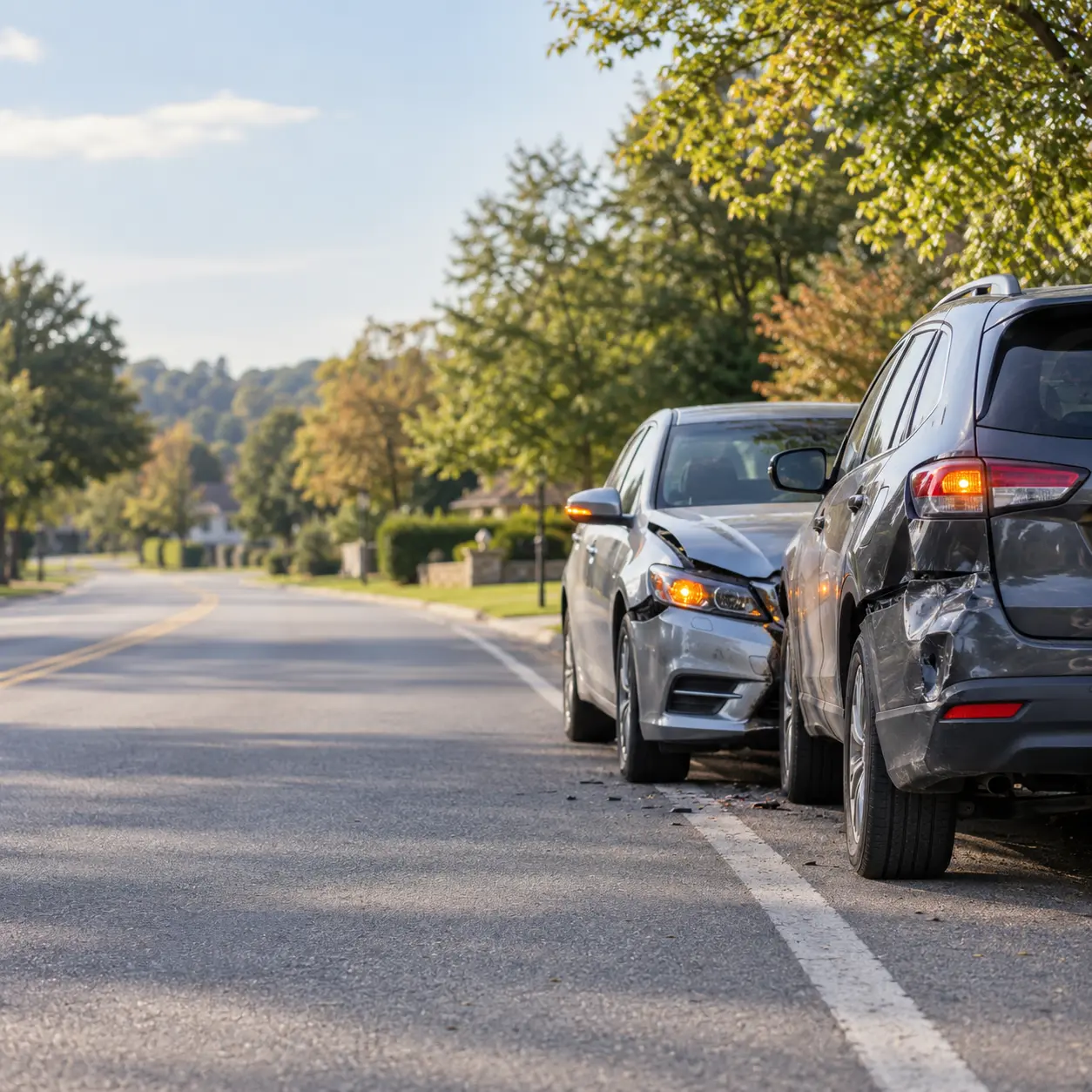
Protecting Your Health, Your Claim, and Your Next Steps
The moments after a crash can be confusing. You may not know how seriously you are hurt, whether the other driver will accept responsibility, which insurance company should pay, or what information you should provide. Meanwhile, adjusters may begin investigating before you have had time to understand the full effect of the collision.
A car accident claim is about more than repairing a vehicle. It may need to account for medical treatment, time away from work, continuing symptoms, future care, and the ways the injury affects your daily life. Establishing those losses requires evidence, careful documentation, and a clear understanding of the insurance coverage involved.
The Law Office of Lauren R. Henry helps Maryland clients navigate the claims process from the initial case review through negotiation or litigation. Lauren evaluates what happened, explains the issues that may affect the case, and helps clients make informed decisions while they focus on recovery.
Car Accident Cases Lauren Handles
Car accidents happen in many different ways, and each collision presents its own questions about fault, evidence, insurance, and injuries. Lauren assists clients with claims arising from situations such as the following.
Rear-End Collisions
A rear-end crash may occur when a driver follows too closely, becomes distracted, misjudges traffic, or fails to stop in time. Even when responsibility appears straightforward, insurers may dispute the cause or seriousness of the injuries.
Intersection and Failure-to-Yield Accidents
Collisions at intersections may involve ignored traffic signals, unsafe turns, failure to yield, obstructed views, or conflicting accounts from the drivers involved.
Head-On Collisions
A head-on crash can result from an impaired or distracted driver, an unsafe pass, loss of vehicle control, or a driver entering the wrong lane. These collisions often require careful investigation because the injuries may be severe.
Sideswipe and Unsafe Lane-Change Accidents
Drivers who fail to check mirrors, monitor blind spots, signal, or maintain their lane can force another vehicle from its path or cause a direct collision.
Multi-Vehicle Accidents
When several vehicles are involved, drivers and insurers may disagree about the sequence of impacts and how responsibility should be divided. Photographs, witness accounts, vehicle damage, and other evidence can be especially important.
Distracted-Driving Accidents
Phone use, navigation systems, passengers, eating, and other distractions can take a driver’s attention away from the road. Available electronic records, observations, and crash evidence may help establish what occurred.
Impaired-Driving Accidents
A driver impaired by alcohol, drugs, or another substance may face criminal consequences, but an injured person’s compensation claim is a separate civil matter that must be supported and pursued.
Speeding and Reckless-Driving Accidents
Excessive speed, aggressive maneuvers, unsafe passing, and disregard for traffic conditions can increase both the likelihood of a collision and the severity of the resulting harm.
If your accident does not fit one of these descriptions, you may still have a claim. A case review can help identify the legal and insurance issues involved.
Need Help With a Legal Matter?
You do not have to figure out your next steps alone. Tell Lauren about your situation and learn how the firm may be able to help.
What to Do After a Car Accident in Maryland
Your health and safety come first. When you are able, the following six steps can also help preserve important information and reduce avoidable problems during the insurance process.
Get to safety and call 911 when necessary. If anyone is injured or the scene presents a danger, request emergency assistance. Move vehicles out of active traffic only when they can be moved and it is safe to do so.
Exchange information and report the collision. Record the drivers’ names, contact details, insurance information, license plates, and vehicle descriptions. Cooperate with responding officers and save the incident or report number.
Document the scene and identify witnesses. When it is safe, photograph vehicle positions, damage, traffic controls, road conditions, debris, visible injuries, and the surrounding area. Ask witnesses for their contact information.
Seek appropriate medical attention. Some injuries and symptoms are not immediately apparent. Tell the medical provider how the crash occurred, describe your symptoms accurately, and follow appropriate treatment recommendations.
Notify the insurer and preserve your records. Report the collision promptly, keep copies of correspondence, and save medical documents, repair information, receipts, photographs, and notes from claim-related conversations.
Get legal guidance before important claim decisions. Consider speaking with an attorney before giving a detailed recorded statement, signing a broad medical authorization or release, or accepting a settlement.
If you are facing an urgent medical or safety emergency, call 911 or seek immediate professional assistance.
Fault and Liability
Who May Be Responsible for a Car Accident?
A car accident claim begins with determining how the collision happened and whose conduct contributed to it. The analysis may involve traffic laws, driver statements, witness accounts, photographs, vehicle damage, video, electronic information, and the physical evidence at the scene.
The Other Driver
A driver may be responsible for failing to stop, yield, maintain a lane, keep a proper lookout, control speed, or otherwise use reasonable care under the circumstances.
A Vehicle Owner or Employer
In some cases, the vehicle owner or a driver’s employer may also become relevant. This can depend on who owned or controlled the vehicle, why it was being used, and the legal relationship between the people or businesses involved.
More Than One Driver
Multi-vehicle accidents may involve several drivers whose actions contributed to the sequence of events. Each driver and insurance company may offer a different account, making an independent review of the evidence important.
MARYLAND FAULT CALLOUT
Maryland follows the doctrine of contributory negligence. If the opposing party successfully proves that an injured person’s own lack of reasonable care contributed to the collision, recovery may be barred. Because insurers may try to shift blame through statements, photographs, or competing interpretations of the evidence, an allegation of shared fault should be evaluated carefully.
Building the Claim
Evidence That Can Help Show What Happened
Insurance companies evaluate claims through documentation. Some evidence is created at the scene, while other information develops as the injuries, treatment, and financial effects become clearer.
- Police or incident reports and the responding officer’s information
- Photographs and videos of the vehicles, damage, roadway, traffic controls, weather, debris, and visible injuries
- Names and contact information for drivers, passengers, vehicle owners, and witnesses
- Nearby surveillance footage, traffic-camera material when available, dash-camera recordings, and relevant electronic information
- Medical records connecting the collision to the injuries, symptoms, treatment, limitations, and prognosis
- Employment and income records documenting missed work, lost benefits, or reduced earning ability
- Repair estimates, total-loss documents, towing and rental bills, and other out-of-pocket expenses
- Insurance policies, adjuster correspondence, claim notes, and copies of any statements, authorizations, releases, or offers
You do not need to gather every possible record before requesting a case review. Bring what you have, and Lauren can help identify what additional evidence may be useful.
Insurance and Recovery
Dealing With Insurance Companies After a Car Accident
A car accident can create several separate insurance questions. The injured person may need to report the crash to their own carrier while also pursuing a liability claim against the responsible driver’s insurer. Coverage may depend on the drivers, vehicles, policy terms, elections or waivers, and the circumstances of the collision.
Liability Insurance
The responsible driver’s liability coverage may provide compensation for injuries and other losses, subject to the available evidence, policy limits, defenses, and the insurer’s evaluation of the claim.
Personal Injury Protection
Maryland auto insurers must offer Personal Injury Protection, although coverage may be limited or waived in permitted circumstances. When available, PIP may reimburse covered medical expenses and lost wages up to the applicable limit without requiring a determination of who caused the crash.
Uninsured and Underinsured Motorist Coverage
Maryland automobile policies include uninsured and underinsured motorist protection. This coverage may become important when the responsible driver has no insurance, lacks enough coverage, available coverage is denied, or the driver and vehicle cannot be identified after a hit-and-run. Policy notice and reporting requirements may apply.
Recorded Statements, Authorizations, and Early Offers
An adjuster may request a recorded statement, medical authorization, release, or early settlement. Those requests should be considered carefully. A quick offer may arrive before the full course of treatment, future needs, or total lost income is known.
What Compensation May Cover
Depending on the circumstances and available proof, a car accident claim may seek compensation for the following losses.
- Emergency care, medical treatment, medication, rehabilitation, and other necessary healthcare expenses
- Income and employment benefits lost because the injuries prevented the person from working
- Reduced earning ability when the injuries affect future work
- Future treatment, assistance, equipment, or care needs
- Physical pain, emotional effects, and changes to normal activities and quality of life
- Vehicle damage, towing, rental transportation, and other supported expenses
No attorney can guarantee a specific outcome. The value of a claim depends on the injuries, evidence, coverage, responsibility, possible defenses, and the complete effect of the collision.

Claim Process
What to Expect During a Car Accident Claim
The timeline depends on the injuries, treatment, available evidence, insurance coverage, number of parties, and whether responsibility or damages are disputed.
Lauren learns how the collision occurred, discusses the injuries and insurance information, and reviews the records currently available.
The firm gathers evidence, identifies the responsible parties and insurers, and evaluates possible defenses and sources of coverage.
The client receives appropriate care while the medical course, expenses, missed work, limitations, and potential future needs are documented.
The supporting evidence is organized and presented to the appropriate insurer or parties. Negotiations take place when the claim can be evaluated responsibly.
Some claims resolve through negotiation. If an appropriate agreement cannot be reached, filing a lawsuit and continuing through litigation may be necessary.
Maryland Car Accident FAQs
Do I need a lawyer after a Maryland car accident?
Not every collision requires legal representation, but an attorney may be especially helpful when someone is injured, fault is disputed, several parties or policies are involved, the insurer requests a recorded statement, or the losses may be significant. A free case review can help you understand whether representation would be useful.
What if my injuries were not immediately apparent?
Some symptoms develop or become more noticeable after the initial shock of a collision. Seek appropriate medical evaluation for new, persistent, or worsening symptoms and explain when and how they began. Do not ignore a health concern because you did not feel it at the scene.
Should I give the insurance company a recorded statement?
You may need to report the crash and cooperate reasonably with your own insurer. However, a detailed recorded statement can affect how responsibility and injuries are evaluated. Consider getting legal advice before providing a recorded statement to another driver’s insurer or answering questions you do not fully understand.
What if the other driver or insurer says I caused the crash?
Do not assume that another driver’s account or an insurer’s early decision is final. Maryland’s contributory-negligence rule makes disputed fault especially important. Police information, photographs, witnesses, vehicle damage, video, and other evidence should be reviewed before accepting a liability decision.
What if the driver was uninsured or left the scene?
A claim may still be possible through uninsured-motorist coverage. Maryland policies include protection for crashes caused by uninsured drivers, and an unidentified at-fault driver in a hit-and-run may qualify. Prompt police reporting and policy notice requirements can be important.
How is the value of a car accident claim determined?
Claim value depends on the facts and proof, including the injuries, treatment, recovery, lost income, future needs, effect on daily life, available insurance, responsibility, and possible defenses. Another person’s settlement does not provide a dependable measure of your claim.
How long do I have to file a car accident lawsuit in Maryland?
Maryland generally requires a civil action to be filed within three years from the date the claim accrues. Different deadlines, notice requirements, and exceptions may apply, especially when a government entity or another special party is involved. It is safer to obtain advice well before the general period expires.
How Lauren Helps
Focused Legal Support After a Maryland Car Accident
A car accident claim requires attention to the crash evidence, medical documentation, insurance policies, lost income, and defenses raised by the opposing side. Lauren helps clients organize those moving parts and understand the decisions that arise throughout the case.
With more than 20 years working in the personal injury field, Lauren brings practical experience with injury claims and insurance negotiations. She provides direct guidance, explains the process in understandable terms, and prepares each matter according to its own facts and challenges.