
Maryland Premises Liability Claims
Maryland Slip-and-Fall and Premises Liability Lawyer
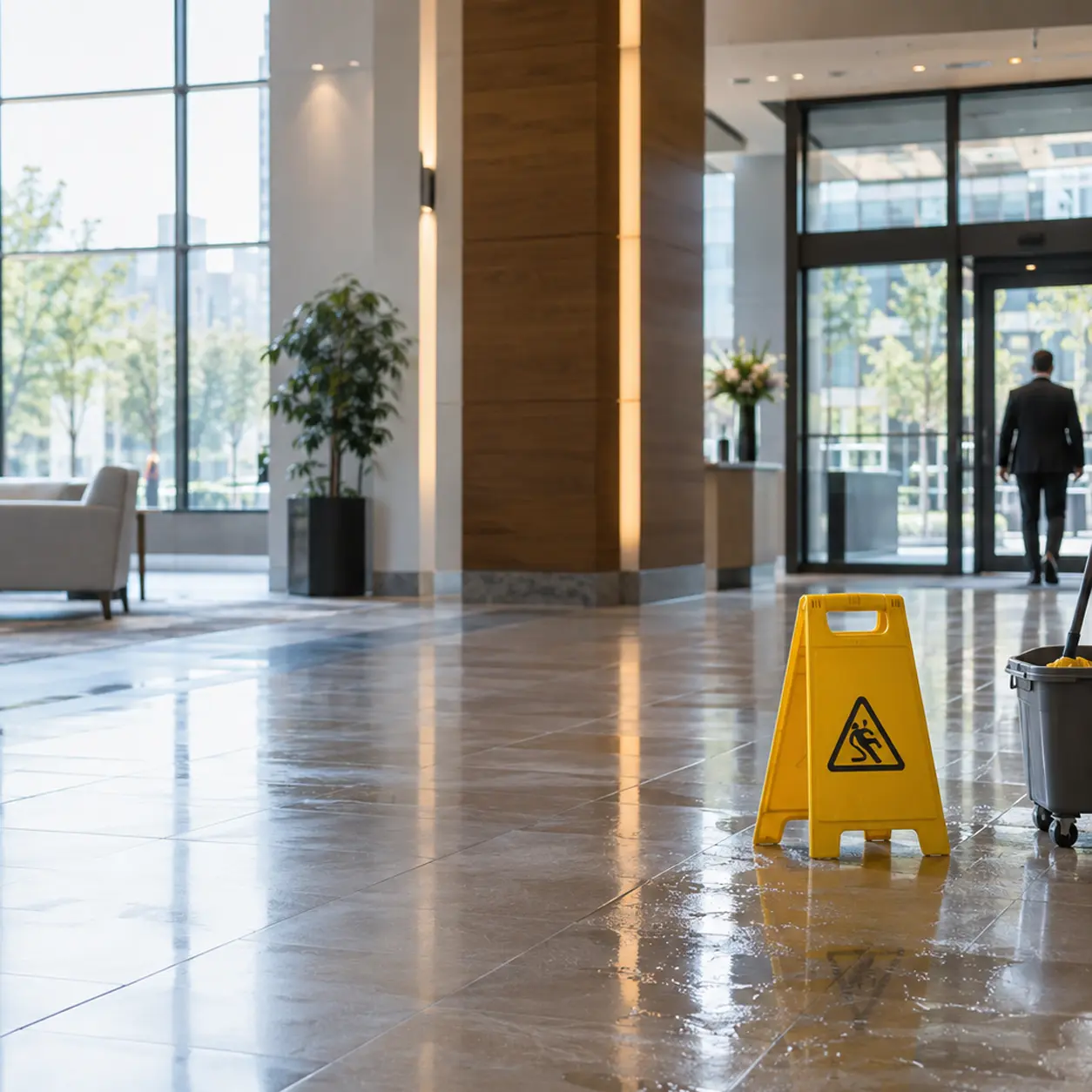
A Property Injury Does Not Automatically Establish Liability
Hazards That Can Cause Serious Injuries
Wet or Slippery Floors
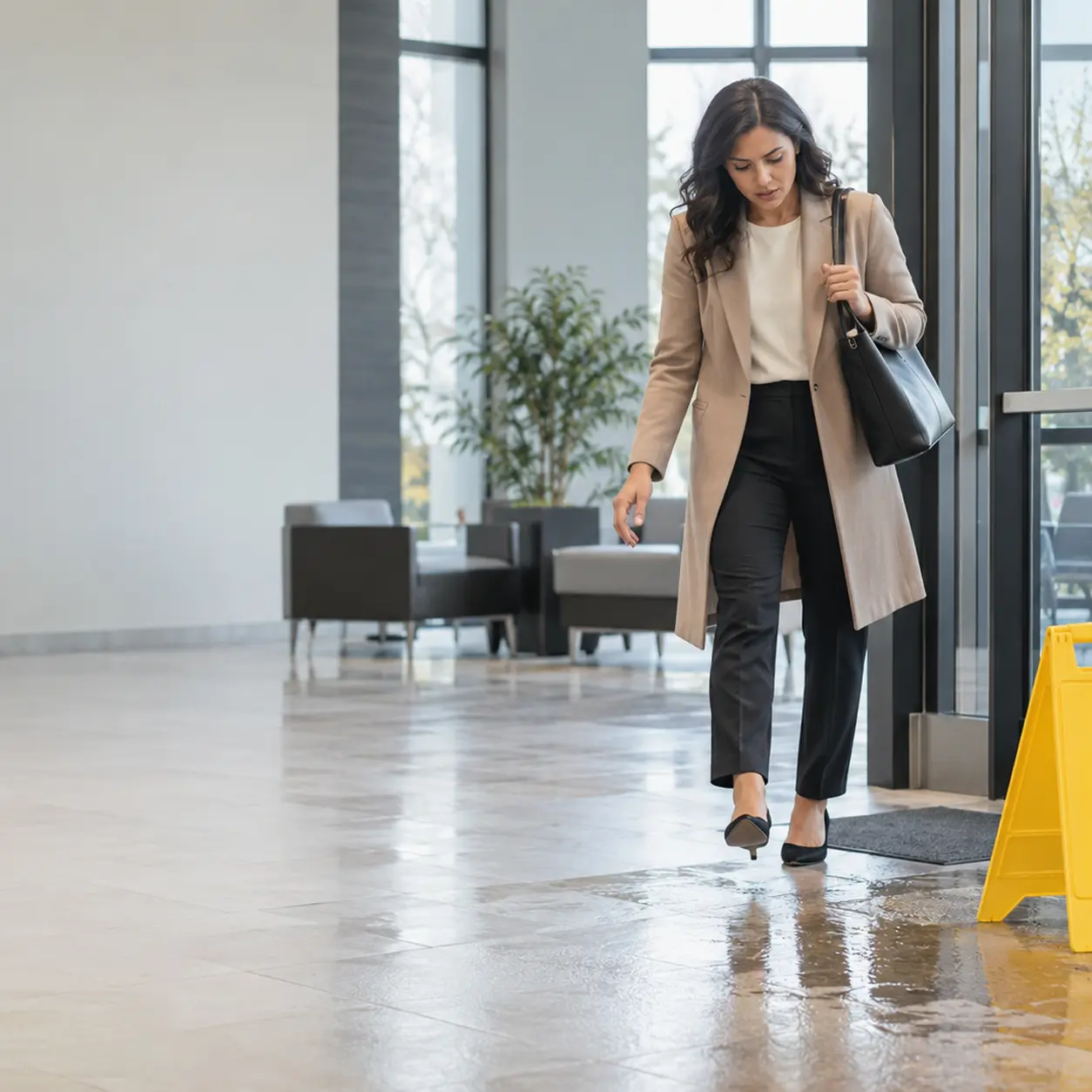
Spilled liquids, recently cleaned floors, leaking equipment, tracked-in rain, and other substances can create dangerous walking surfaces.Uneven or Damaged Walkways
Broken pavement, loose flooring, torn carpeting, potholes, raised transitions, and poorly maintained sidewalks may cause a person to trip or lose balance.Unsafe Stairs and Handrails
Loose handrails, inconsistent steps, damaged stairways, missing safety features, or inadequate maintenance may contribute to a serious fall.Snow and Ice
Untreated or improperly maintained entrances, sidewalks, stairs, and parking areas may create winter hazards. Responsibility depends on the circumstances, control of the area, notice, and applicable legal duties.Poor Lighting and Hidden Obstructions
Inadequate lighting can make steps, elevation changes, debris, cords, and other hazards difficult to identify.Falling Objects and Unsafe Maintenance
Improperly stored merchandise, unsecured objects, damaged fixtures, and careless repair or maintenance work can expose visitors to preventable harm.If your accident does not fit one of these descriptions, you may still have a claim. A case review can help identify the legal and insurance issues involved.
Need Help With a Legal Matter?
You do not have to figure out your next steps alone. Tell Lauren about your situation and learn how the firm may be able to help.
Six Steps to Take After the Accident
Report What Happened
Notify the property owner, manager, landlord, or business before leaving when possible. Ask that an incident report be created and request information about how to obtain a copy.
Seek Medical Attention
Obtain appropriate medical care, even if you initially believe the injury may improve on its own. Prompt evaluation can protect your health and document when symptoms began.
Photograph the Hazard
Take photographs or video of the exact condition that caused the accident. Capture the surrounding area, lighting, warning signs—or the absence of warnings—and the condition from several angles.
Identify Witnesses and Cameras
Ask witnesses for their contact information. Look for surveillance cameras, doorbell cameras, or nearby businesses that may have recorded the incident or the condition before it was corrected.
Preserve Relevant Items
Keep the shoes and clothing worn during the accident without cleaning or altering them. Save receipts, appointment records, messages, photographs, and any paperwork provided by the property.
Be Careful With Statements and Documents
Provide the information needed to report the accident, but avoid guessing about the cause or extent of your injuries. Consider obtaining legal advice before giving a recorded statement or signing documents for an insurance company.
If you are facing an urgent medical or safety emergency, call 911 or seek immediate professional assistance.
Identifying the Right Parties
Control of the Property Is an Important Part of the Investigation
The person or company that owns the property is not always the only potentially responsible party. Liability may depend on who controlled, inspected, maintained, repaired, or used the area where the accident occurred.
Potentially responsible parties may include:
- A commercial property owner
- A store, restaurant, or other business
- A landlord or apartment-management company
- A tenant responsible for the area
- A maintenance or janitorial company
- A repair or construction contractor
- A snow and ice removal company
- Another person or business that created the hazard
Contracts, leases, maintenance agreements, work orders, and property records may help determine which party was responsible for addressing the unsafe condition.
Proving the Claim
Did the Responsible Party Know About the Danger?
Notice is often one of the most important issues in a Maryland premises liability claim.
Evidence may show that the responsible party:
- Created the dangerous condition
- Received a complaint or warning about it
- Saw the condition before the accident
- Failed to correct a recurring problem
- Allowed the hazard to remain long enough that a reasonable inspection should have discovered it
- Failed to follow appropriate inspection or maintenance procedures
A hazard can be cleaned, repaired, removed, or altered shortly after an accident. Surveillance video may also be deleted under routine retention policies. Preserving the available evidence quickly can be essential.
Important evidence may include:
- Photographs and video of the condition
- Surveillance recordings
- Incident reports
- Witness statements
- Inspection and cleaning logs
- Maintenance schedules and work orders
- Prior complaints or similar incidents
- Employee communications
- Weather and property-treatment records
- Lease and property-management agreements
- Medical records
- Employment and income-loss documentation
- The injured person’s shoes and clothing
Insurance Disputes
Property Owners and Insurers May Dispute the Claim
A property owner or insurance company may argue that:
- The condition was not dangerous
- No one knew about the hazard
- The condition had not existed long enough to be discovered
- Adequate warnings were provided
- The hazard was open and obvious
- The injured person was distracted or failed to use reasonable care
- The person’s shoes contributed to the fall
- A medical condition caused the accident
- The injuries existed before the incident
- The accident did not cause the treatment being claimed
These arguments do not necessarily determine the outcome. Photographs, video, witnesses, maintenance records, medical evidence, and the specific circumstances of the accident must all be evaluated.
Because Maryland follows a strict contributory-negligence rule, allegations that an injured person contributed to an accident require careful attention.
What to Expect
A Clear Process for Investigating the Property and the Injury
Lauren learns how the accident occurred, where it happened, what condition caused the injury, and what evidence is currently available.
Photographs, surveillance video, incident reports, maintenance records, and other time-sensitive materials are identified and, when appropriate, preservation requests are sent.
Property ownership, control, maintenance responsibilities, prior notice, and the actions of the involved parties are examined.
Medical treatment, recovery time, lost income, future care, and the effect of the injury on the client’s daily life are documented.
Evidence supporting the unsafe condition, notice, responsibility, and damages is presented to the appropriate parties and insurers.
If the responsible party or insurer will not offer a reasonable resolution, filing a lawsuit may be considered. The strategy depends on the evidence, legal deadlines, available coverage, and the client’s goals.
Answers to Common Questions
Is a property owner automatically responsible if I fall?
What if the hazard was removed before I could photograph it?
How can I prove that a business knew about the hazard?
Can I bring a claim for an accident at an apartment building or rental property?
What if I slipped on snow or ice?
What if the insurance company says I should have seen the hazard?
How long do I have to bring a premises liability claim?
How much does it cost to discuss my case?
How Lauren Helps
Focused Legal Support After a Maryland Car Accident
A car accident claim requires attention to the crash evidence, medical documentation, insurance policies, lost income, and defenses raised by the opposing side. Lauren helps clients organize those moving parts and understand the decisions that arise throughout the case.
With more than 20 years working in the personal injury field, Lauren brings practical experience with injury claims and insurance negotiations. She provides direct guidance, explains the process in understandable terms, and prepares each matter according to its own facts and challenges.