
Maryland Dog Bite Claims
Maryland Dog Bite Injury Lawyer
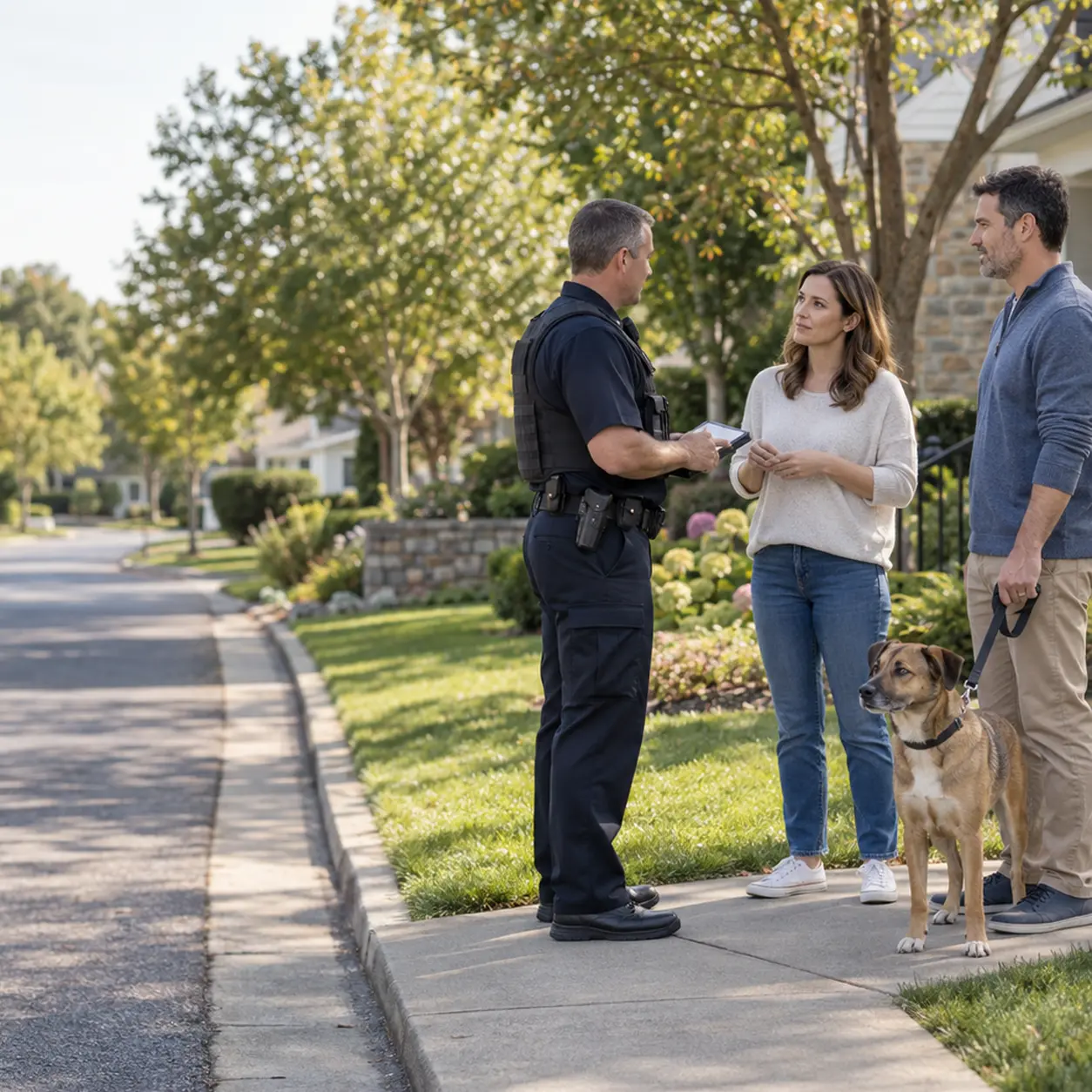
A Dog Does Not Need a Previous Bite for a Claim to Be Considered
Dog-Related Injuries Can Happen in Different Ways

Bites and Puncture Wounds
Dog bites may damage skin, muscles, nerves, tendons, and other tissue. Some wounds require extensive treatment or follow-up care.Facial Injuries and Scarring
Bites to the face, head, arms, or hands may result in visible scars, reduced function, or the need for reconstructive treatment.Injuries to Children
Children may be especially vulnerable because of their size and proximity to a dog. An attack can affect a child physically and emotionally long after the wounds begin to heal.Knockdowns and Fall Injuries
A person may be injured when a dog jumps, lunges, chases, or knocks the person to the ground, even when no bite occurs.Loose or Unrestrained Dogs
Attacks may occur on sidewalks, in parks, in apartment common areas, or in neighborhoods when a dog escapes or is allowed to run loose.Attacks on Private or Commercial Property
Dog-related injuries may occur at a private home, rental property, apartment complex, business, or another location where questions of ownership and control must be investigated.If your accident does not fit one of these descriptions, you may still have a claim. A case review can help identify the legal and insurance issues involved.
Injured in a Dog Attack?
What to Do After a Dog Bite or Attack
Get to a Safe Location
Move away from the dog without approaching or attempting to restrain it. Call 911 if anyone is in immediate danger or has a serious injury.
Obtain Medical Care
Dog bites and scratches can cause infection and damage beneath the skin. A healthcare professional can evaluate the wound and determine whether additional treatment, tetanus protection, or a rabies assessment is appropriate.
Identify the Dog and Owner
If it can be done safely, obtain the owner’s name, address, telephone number, and insurance information. Ask for the dog’s vaccination information, but do not place yourself at risk to obtain it.
Photograph and Preserve Evidence
Photograph the injuries, damaged clothing, location, gate, fence, leash, warning signs, and any other relevant condition. Continue documenting the injuries as they heal.
Be Careful With Insurance Communications
Avoid guessing about provocation, fault, or the seriousness of the injuries. Consider speaking with a lawyer before providing a recorded statement or signing documents for an insurance company.
If you are facing an urgent medical or safety emergency, call 911 or seek immediate professional assistance.
Identifying the Parties
Responsibility May Extend Beyond the Dog’s Legal Owner
The dog owner is usually central to the investigation, but other people or businesses may have controlled the dog or the property where the attack occurred.
Potentially responsible parties may include:
- The dog’s owner
- A person caring for or controlling the dog
- A landlord or property manager under certain circumstances
- A business that allowed a dangerous condition involving a dog
- An employer when the dog was being used for work
- Another person whose conduct contributed to the attack
Claims against landlords, property owners, or other non-owners require a separate legal analysis. Their responsibility is not established merely because the dog was present on their property.
Lauren examines ownership, control, prior incidents, complaints, lease provisions, animal-control records, and available insurance before determining which parties may be involved.
Building the Case
Records Can Help Establish What Happened Before and During the Attack
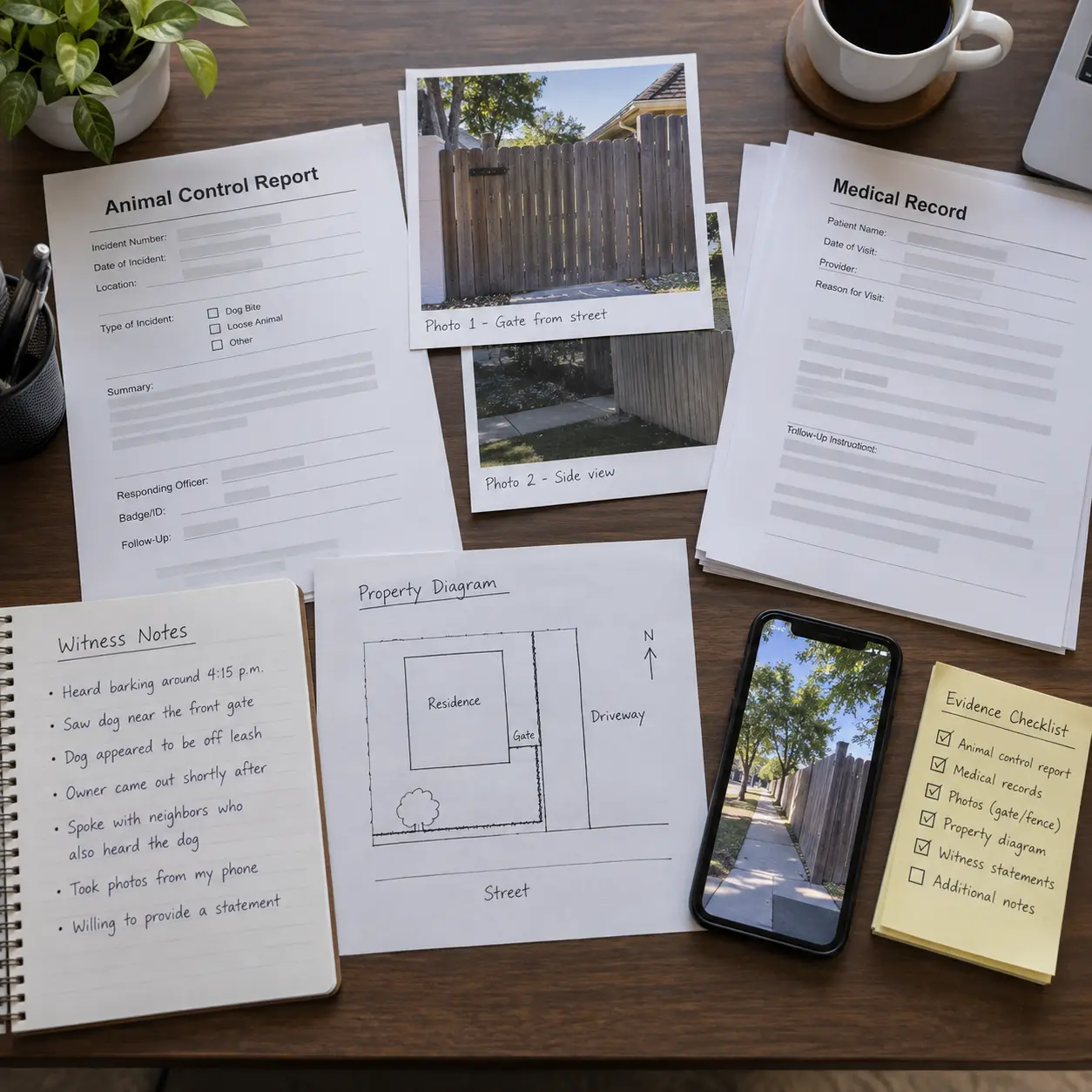
Evidence may help identify the dog and owner, establish control of the animal, document prior behavior, address claims of provocation, and show how the injuries affected the victim.
Important evidence may include:
- Photographs and video of the injuries
- Photographs of the location
- Animal-control or police reports
- The dog owner’s contact information
- Homeowners or renters insurance information
- Vaccination and veterinary records
- Prior bite or attack reports
- Complaints from neighbors or tenants
- Witness statements
- Surveillance or doorbell-camera footage
- Lease and property-management records
- Warning signs, fences, gates, or restraints
- Medical records and treatment recommendations
- Photographs showing the healing process
- Employment and income-loss records
- Damaged clothing and personal belongings
- Messages or social media posts concerning the dog
Records held by an owner, landlord, apartment complex, veterinarian, or government agency may take time to obtain. Beginning the investigation promptly can help preserve information before it disappears.
Sources of Recovery
A Claim May Be Covered by Property Insurance
Depending on where and how the attack occurred, coverage may be available through:
- A homeowners insurance policy
- A renters insurance policy
- A landlord or commercial-property policy
- A business liability policy
- An umbrella or excess insurance policy
- Another policy connected to a responsible party
Some policies contain exclusions, coverage limits, or conditions related to dogs. The insurance company may investigate ownership, where the dog lived, whether the dog had been disclosed, and what happened before the attack.
When supported by the evidence, a dog bite injury claim may seek compensation for losses such as:
- Emergency and follow-up medical treatment
- Surgery or reconstructive care
- Counseling or psychological treatment
- Lost income
- Reduced ability to work
- Pain and physical limitations
- Scarring or disfigurement
- Future medical needs
- Damage to clothing or personal property
Available compensation depends on the injuries, evidence, insurance coverage, applicable law, and circumstances of the case.
What to Expect
A Clear Process for Investigating the Attack
Lauren listens to what happened, identifies the dog and owner when possible, and reviews the medical and incident information currently available.
Photographs, video, animal-control records, witness information, insurance details, and other time-sensitive evidence are collected or preserved.
Ownership, control, prior behavior, complaints, restraints, property conditions, and potential responsibility of other parties are examined.
Medical treatment, scarring, emotional effects, lost income, future care, and the impact on daily life are documented as the claim develops.
The evidence supporting responsibility, insurance coverage, injuries, and damages is presented to the appropriate parties and insurers.
If the responsible party or insurer will not offer a reasonable resolution, filing a lawsuit may be considered. The appropriate strategy depends on the facts, evidence, available coverage, deadlines, and client’s goals.
Answers to Common Questions
Does a dog need to have bitten someone before I can bring a claim?
What if the dog was running loose?
Can I bring a claim if the dog belonged to a friend or family member?
Can a landlord or property manager be responsible?
What if my child was bitten?
Does homeowners insurance cover dog bites?
How long do I have to bring a dog bite claim?
How much does it cost to discuss my case?
How Lauren Helps
Get Help After a Dog Attack
You do not have to determine responsibility, locate insurance coverage, and deal with claim representatives alone.
Lauren can investigate the attack, preserve important records, identify potentially responsible parties, document the full effect of the injuries, and handle communications with the insurance companies.