
Maryland Catastrophic Injury Claims
Maryland Serious and Catastrophic Injury Lawyer
A life-changing injury can affect a person’s health, independence, employment, family, and financial future. Lauren R. Henry helps injured people and their families investigate what happened, identify responsible parties, and pursue compensation that accounts for both immediate losses and long-term needs.

A Life-Changing Injury Requires a Long-Term Perspective
Some injuries affect far more than the first hospital stay. A person may need surgery, rehabilitation, assistive equipment, ongoing medical treatment, help with daily activities, or changes to the home and vehicle.
The injury may also limit the person’s ability to return to work, care for family members, participate in familiar activities, or live independently.
Insurance companies may focus on current bills while giving less attention to future treatment, reduced earning capacity, permanent limitations, and the ways an injury changes everyday life.
Lauren works to understand the full impact of the injury before a claim is resolved. That process may require medical records, expert analysis, employment information, rehabilitation plans, and evidence from the injured person and family.
Severe Injuries Can Affect Every Part of a Person’s Life
The term “catastrophic injury” does not describe only one diagnosis. It generally refers to an injury that creates permanent or long-term effects requiring significant treatment, rehabilitation, assistance, or life changes.

Traumatic Brain Injuries
A moderate or severe brain injury may affect memory, concentration, communication, behavior, mood, movement, and the ability to complete daily tasks.Spinal Cord Injuries and Paralysis
Damage to the spinal cord may result in partial or complete loss of movement or sensation, chronic pain, and the need for extensive rehabilitation or personal assistance.Amputation and Limb Loss
The loss of a limb can require surgery, prosthetic care, rehabilitation, home modifications, and significant adjustments to work and daily life.Severe Burns and Disfigurement
Burn injuries may involve hospitalization, surgery, infection risk, scarring, reduced movement, and long-term physical and emotional recovery.Crush and Internal Injuries
Crush injuries or damage to internal organs may require emergency surgery, extended hospitalization, repeated procedures, and ongoing monitoring.Multiple Fractures and Orthopedic Injuries
Complex fractures and injuries involving multiple parts of the body may cause lasting mobility restrictions, weakness, pain, or an inability to return to previous work.Vision or Hearing Loss
An accident may cause partial or complete loss of vision or hearing, affecting communication, mobility, employment, and personal independence.Permanent Nerve and Functional Injuries
Nerve damage and other permanent impairments may affect strength, sensation, coordination, or the ability to perform ordinary activities.If your accident does not fit one of these descriptions, you may still have a claim. A case review can help identify the legal and insurance issues involved.
Living With a Life-Changing Injury?
You are not alone. Tell Lauren what happened and learn what options may be available for your care, financial losses, and future needs.
What to Do
Six Steps for Injured People and Families
Prioritize Medical Care
Follow the treatment and safety recommendations provided by qualified healthcare professionals. Emergency care, surgery, rehabilitation, and follow-up appointments may all become important parts of the medical record.
Designate a Trusted Family Contact
A serious injury may make communication difficult. When authorized, one trusted person can help organize records, communicate with providers, and keep relatives informed.
Preserve Evidence From the Accident
Save photographs, video, damaged property, incident reports, witness information, electronic data, and correspondence related to what happened.
Track Treatment and Daily Needs
Keep a record of appointments, medications, rehabilitation, symptoms, mobility limitations, assistance, transportation, and changes to daily activities.
Document Financial Losses
Save medical bills, insurance statements, wage records, receipts, travel expenses, equipment costs, and information about home or vehicle modifications.
Be Careful Before Resolving the Claim
A settlement is generally final. Avoid signing a release or accepting an offer before the long-term medical, employment, and personal effects of the injury are reasonably understood.
Potential Causes
The Underlying Accident Determines Who May Be Responsible
A serious injury claim begins with determining how the injury occurred and whose conduct contributed to it.
Motor Vehicle Accidents
High-impact car, truck, motorcycle, and rideshare collisions can cause brain, spinal, orthopedic, and internal injuries.
Pedestrian and Bicycle Accidents
People walking or cycling have little physical protection when struck by a motor vehicle.
Unsafe Property Conditions
Falls, structural failures, falling objects, and other dangerous property conditions can cause permanent injuries.
Dog Attacks
A severe dog attack may result in nerve damage, disfigurement, fractures, infection, or psychological trauma.
Nursing Home Abuse or Neglect
Falls, untreated wounds, medication errors, delayed treatment, and other failures in care may cause or worsen serious injuries in vulnerable residents.
Other Negligent Conduct
Catastrophic injuries may arise from other incidents when an individual, business, or organization fails to use reasonable care.
Building the Case
The Evidence Must Explain Both the Accident and the Injury’s Future Impact
A catastrophic injury claim may require several types of evidence to establish responsibility, medical causation, permanent limitations, and future financial needs.
Important evidence may include:
- Police, accident, or incident reports
- Photographs and video
- Surveillance or traffic-camera recordings
- Witness statements
- Vehicle or property inspection records
- Electronic and phone data
- Emergency and hospital records
- Diagnostic imaging and test results
- Surgical and specialist records
- Rehabilitation and therapy records
- Treating-provider opinions
- Functional-capacity evaluations
- Vocational assessments
- Life-care planning information
- Medical-cost projections
- Employment, income, and tax records
- Evidence of reduced earning capacity
- Assistive-equipment records
- Home and vehicle modification estimates
- Statements from caregivers and family members
- Records showing the injury’s effect on daily life
- Insurance policies and coverage correspondence
The Full Impact
A Fair Evaluation Looks Beyond Current Medical Bills
The long-term effects of a catastrophic injury vary from person to person. Two people with similar diagnoses may have very different treatment needs, work limitations, family responsibilities, and levels of independence.
Depending on the evidence and applicable law, a claim may address:
Past and Future Medical Care
This may include hospitalization, surgery, physician care, medication, rehabilitation, therapy, and anticipated future treatment.
Personal and Attendant Care
Some people require help with mobility, hygiene, meals, transportation, medication, or other daily activities.
Equipment and Accessibility
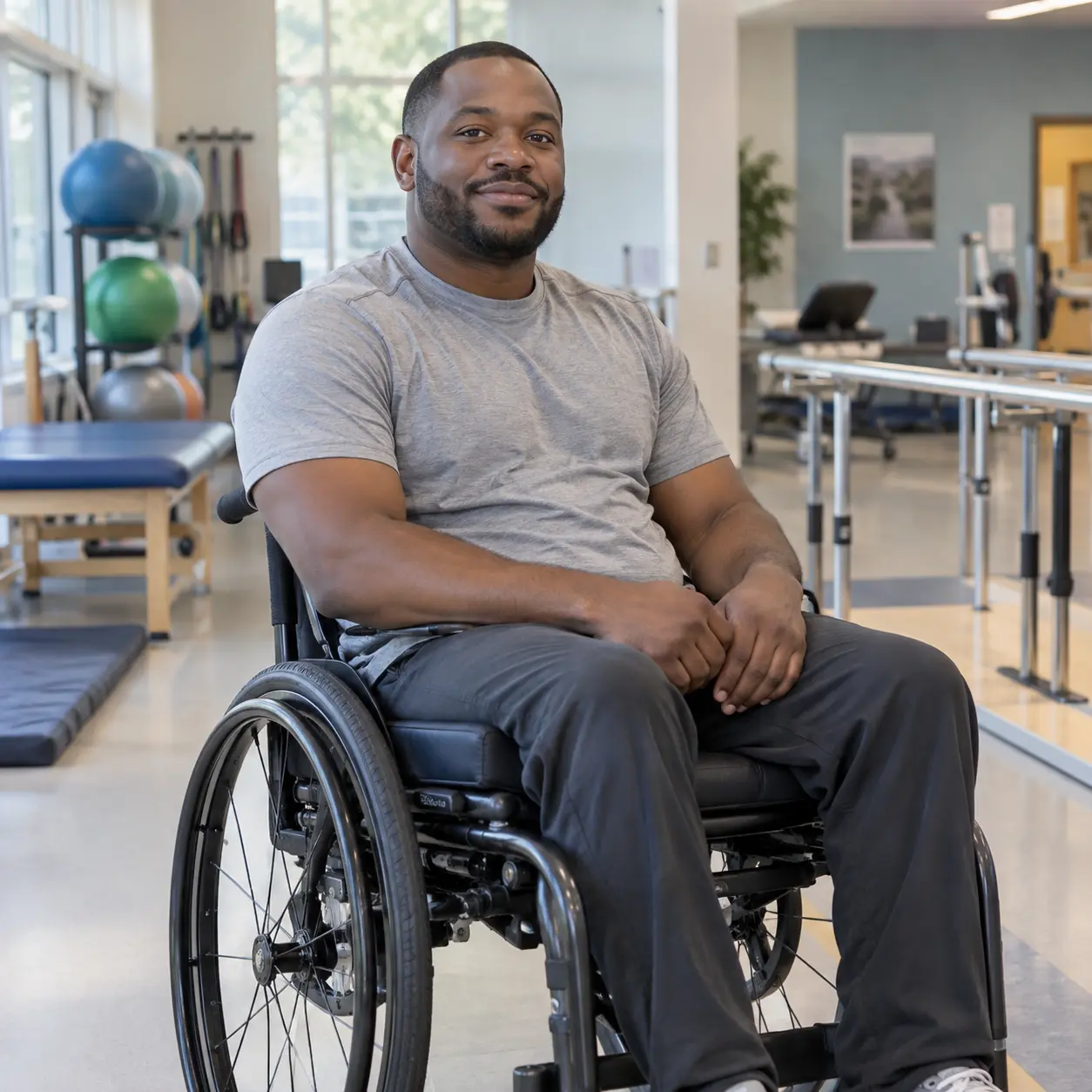
Wheelchairs, prosthetics, communication devices, home modifications, accessible transportation, and replacement equipment may create significant ongoing expenses.
Lost Income and Earning Capacity
A serious injury may prevent a return to the same occupation, reduce work hours, delay career advancement, or permanently affect earning ability.
Pain and Physical Limitations
The claim may consider pain, impairment, disfigurement, inconvenience, and the loss of activities that were part of the person’s life.
Family and Household Effects
An injury may change caregiving responsibilities, household services, relationships, and the support required from family members.
Claim Process
A Careful Process Built Around Long-Term Needs
The claim should not be evaluated using only the bills that have already arrived. Future treatment, assistance, equipment, earning losses, and changing care needs may represent a substantial part of the case.
Lauren learns how the injury occurred, identifies potential responsible parties and insurance coverage, and addresses immediate evidence concerns.
Reports, photographs, video, witnesses, electronic information, physical evidence, and relevant records are collected and analyzed.
Treatment records, rehabilitation progress, permanent limitations, and the assistance required for daily life are documented.
Medical, vocational, financial, and life-care information may be used to estimate future treatment, equipment, personal care, and lost earning capacity.
The evidence supporting responsibility, injuries, current losses, and future needs is presented to the responsible parties and insurers.
If the claim cannot be resolved fairly, filing a lawsuit may be considered. Lauren explains the available options and helps the client and family make informed decisions.
Answers to Common Questions
What qualifies as a catastrophic injury?
There is no single diagnosis that determines whether an injury is catastrophic in every claim. The term generally describes an injury that causes permanent or long-term impairment, major medical needs, reduced independence, or substantial changes to work and daily life.
When should a serious injury claim be investigated?
The investigation should begin as soon as reasonably possible because physical evidence, video, electronic information, and witness memories can be lost. The claim should not necessarily be resolved, however, until its long-term effects are better understood.
What if the injured person cannot participate in the claim?
A legally authorized representative, guardian, attorney-in-fact, or other appropriate person may sometimes assist. The correct arrangement depends on the person’s condition, existing documents, and whether court involvement is necessary.
How are future medical and personal-care costs calculated?
Medical records, treating-provider opinions, rehabilitation information, life-care planning, cost research, and expert analysis may be used to estimate future needs. The approach depends on the injury and available evidence.
Can there be a claim if the person eventually returns to work?
Yes. Returning to work does not necessarily eliminate a claim. The injury may still affect earnings, hours, duties, advancement, stamina, benefits, or the ability to remain employed over time.
What if the injured person had a preexisting condition?
A preexisting condition does not automatically prevent a claim. Medical evidence may be needed to distinguish the earlier condition from new injuries or aggravation caused by the accident.
How long do we have to bring the claim?
Many Maryland civil injury claims are subject to a three-year filing period, but exceptions and shorter notice requirements may apply. Government involvement, medical injuries, minors, and other circumstances can change the analysis.
How much does it cost to discuss the case?
The initial catastrophic injury case review is free. If representation is offered, the fee agreement and potential case expenses will be explained before the client decides whether to proceed.
Talk With Lauren
Plan for More Than the Next Medical Bill
A catastrophic injury claim should reflect how the injury may affect the person’s health, independence, employment, and family for years to come.
Lauren can investigate responsibility, identify available insurance, preserve evidence, document current and future losses, and help the client make informed decisions before resolving the claim.