
Maryland Rideshare Accident Claims
Maryland Rideshare Accident Lawyer
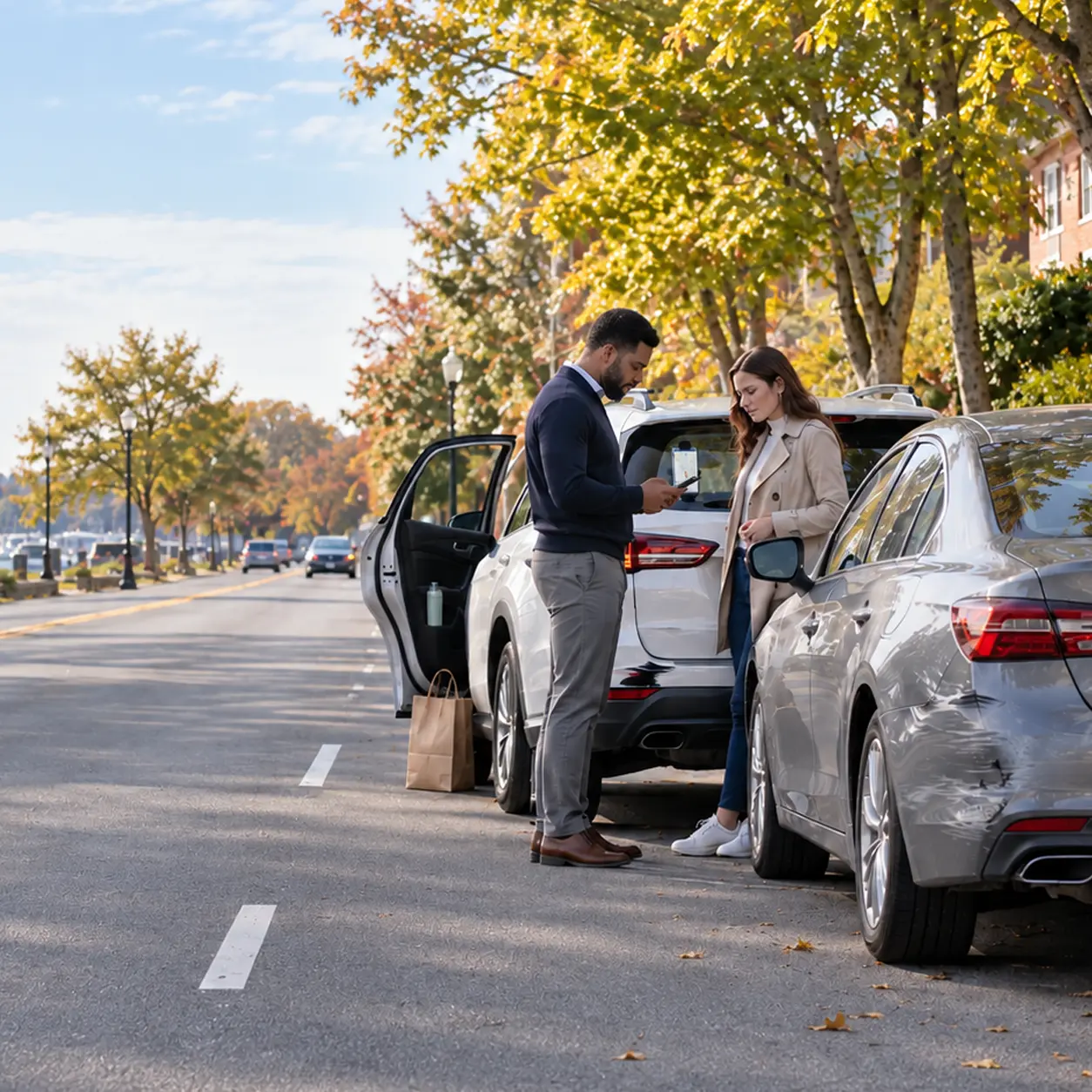
Rideshare Accidents Can Involve More Than One Insurance Policy
Who Can Be Injured in a Rideshare Accident?

Injured Rideshare Passengers
A passenger may be injured because of a mistake made by the rideshare driver, another motorist, or more than one driver. The available claim may depend on who caused the collision and which insurance policies apply.Rideshare Drivers
A rideshare driver may have a claim when another driver causes the accident. The driver’s app status, personal insurance, rideshare coverage, and any available uninsured or underinsured motorist protection may become important.
Drivers and Passengers in Other Vehicles
People in another vehicle may be injured when a rideshare driver causes a collision. Establishing whether the driver was providing rideshare services may help identify the applicable coverage.Pedestrians and Bicyclists
A pedestrian or cyclist struck by a rideshare vehicle may have a claim against the responsible driver and any applicable insurance coverage.Multi-Vehicle Collisions
When several vehicles are involved, more than one driver or insurance company may share responsibility. A careful investigation can help reconstruct the sequence of events.
Hit-and-Run or Uninsured-Driver Accidents
If the responsible driver leaves the scene or lacks sufficient insurance, uninsured or underinsured motorist coverage may provide another potential source of recovery.If your accident does not fit one of these descriptions, you may still have a claim. A case review can help identify the legal and insurance issues involved.
Need Help With a Legal Matter?
You do not have to figure out your next steps alone. Tell Lauren about your situation and learn how the firm may be able to help.
What to Do After a Rideshare Accident
Get to Safety and Report the Accident
Move to a safe location if you can do so without creating additional danger. Call 911 and ask law enforcement to document the collision.
Seek Medical Attention
Accept emergency assistance when necessary and obtain a medical evaluation promptly. Some injuries become more noticeable after the initial shock of the accident begins to wear off.
Save the Rideshare Information
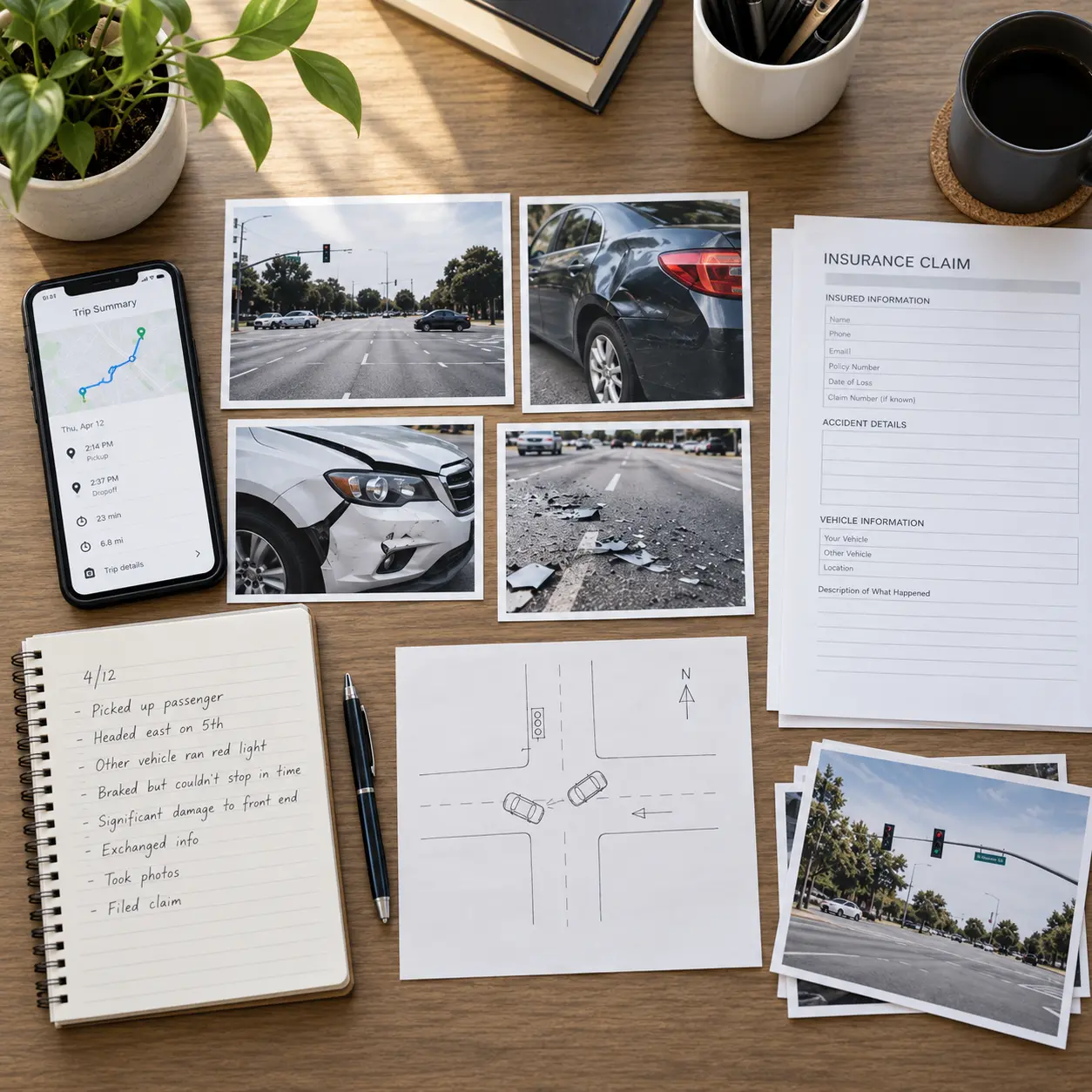
Take screenshots of the trip, driver profile, vehicle information, pickup and destination details, receipt, route, and any messages exchanged through the app. Do not assume this information will remain available indefinitely.
Document the Scene
Photograph the vehicles, visible damage, roadway, traffic controls, surrounding businesses, weather conditions, and anything else that may help explain what happened.
Collect Contact Information
Obtain the names, telephone numbers, insurance information, and license plate numbers of the drivers involved. If witnesses saw the accident, ask for their contact information as well.
Be Careful With Insurance Communications
Report the accident as required, but avoid guessing about fault, injuries, or app activity. Before providing a recorded statement or signing documents, consider obtaining legal advice about the claim.
If you are facing an urgent medical or safety emergency, call 911 or seek immediate professional assistance.
FInsurance Coverage
Responsibility Depends on How the Accident Happened
A rideshare company’s involvement does not automatically determine who is legally responsible. Liability must be evaluated using the facts and evidence surrounding the collision.
Potentially responsible parties may include:
- A rideshare driver who was speeding, distracted, fatigued, or otherwise negligent
- Another motorist who caused the collision
- Multiple drivers who contributed to a multi-vehicle accident
- A vehicle owner whose conduct contributed to the loss
- A business responsible for negligent vehicle maintenance
- A manufacturer responsible for a defective vehicle or component
- Another person or entity whose actions contributed to the crash
Responsibility and insurance coverage are related, but they are not the same question. After identifying who caused the collision, the next step is determining which policies may cover the resulting injuries and losses.
Determining Liability
The Applicable Coverage May Change During a Rideshare Driver’s Work
One of the first questions after a rideshare accident is what the driver was doing when the collision occurred.
The driver may have been:
Offline
If the driver was not logged into the rideshare app, the driver’s personal automobile policy may be the primary source of coverage.
Logged In and Waiting for a Request
Different coverage considerations may apply when a driver is available through the app but has not yet accepted a passenger’s request.
Traveling to Pick Up a Passenger
Once a ride has been accepted, the driver may be considered to be actively providing rideshare services even though the passenger is not yet inside the vehicle.
Transporting a Passenger
When a passenger is in the rideshare vehicle, insurance maintained for rideshare activity may apply, subject to the policy terms and facts of the accident.
App records, trip data, timestamps, electronic communications, and insurance documents may be needed to establish the driver’s status. Lauren can help request and evaluate this information rather than relying solely on what one driver or insurer says occurred.
Building the Case
Rideshare Records Can Disappear or Become Difficult to Obtain
Evidence can help establish how the collision occurred, who was involved, when the driver was using the app, and how the accident affected the injured person.
Important evidence may include:
- Screenshots of the ride request and trip receipt
- The driver’s name, photograph, vehicle information, and license plate
- Pickup, destination, route, and trip timestamps
- Messages exchanged through the rideshare app
- Police reports and incident numbers
- Photographs and video from the scene
- Dashcam or nearby surveillance footage
- Witness statements
- Vehicle damage and inspection records
- Medical records and treatment recommendations
- Employment and income-loss documentation
- Communications from the rideshare company
- Insurance policies, coverage letters, and claim correspondence
The sooner this information is identified and preserved, the easier it may be to prevent disputes about what happened.
What to Expect
A Clear Process for a Complicated Insurance Claim
Lauren listens to what happened, identifies immediate concerns, and reviews the information currently available.
The investigation may include the police report, vehicle photographs, witness accounts, roadway evidence, video footage, and other information about the collision.
Trip records and timestamps can help determine the driver’s rideshare status. The potentially applicable personal, commercial, rideshare, and uninsured motorist policies are then evaluated.
Medical treatment, recovery time, lost income, future care, and the accident’s effect on daily life are documented as the claim develops.
The appropriate insurers receive the evidence supporting responsibility, coverage, injuries, and damages. Lauren addresses questions, delays, and disputes during negotiations.
If the responsible parties or insurance companies will not offer a reasonable resolution, filing a lawsuit may be considered. The appropriate approach depends on the evidence, available coverage, deadlines, and the client’s goals.
Answers to Common Questions
Can I bring a claim if I was a passenger in the rideshare vehicle?
What if the Uber or Lyft driver caused the accident?
What if another driver caused the crash?
Why does the driver’s app status matter?
Should I speak with the rideshare company or its insurance representative?
What if the responsible driver was uninsured or left the scene?
How long do I have to bring a rideshare accident claim?
How much does it cost to discuss my case?
How Lauren Helps
Focused Legal Support After a Maryland Car Accident
A car accident claim requires attention to the crash evidence, medical documentation, insurance policies, lost income, and defenses raised by the opposing side. Lauren helps clients organize those moving parts and understand the decisions that arise throughout the case.
With more than 20 years working in the personal injury field, Lauren brings practical experience with injury claims and insurance negotiations. She provides direct guidance, explains the process in understandable terms, and prepares each matter according to its own facts and challenges.